 By Caleb Morgan
Updated November 2026
A gravel bike for touring can carry you across pavement, dirt roads and rough double-track on the same trip, provided you choose the right frame clearance, gearing and mounting points. This guide explains which features matter, how to set the bike up for loaded riding, and where a gravel bike falls short compared with a dedicated touring bike.
Why a Gravel Bike Works for Touring
Gravel bikes share much of their DNA with touring bikes: drop bars, relaxed-to-moderate geometry and disc brakes that handle wet conditions. The main difference is tire clearance. Most gravel frames accept tires in the 40 to 50 mm range, which gives you comfort and traction on unpaved surfaces. A traditional touring bike usually tops out closer to 35 to 40 mm, so it trades off traction for a smoother, faster ride on pavement.
Shopping for one? See our guide: 6 Best Bikepacking Gravel Bikes for Long-Distance Touring (2026).
If your route is mostly paved with occasional gravel, a gravel bike still makes sense. If it is mostly dirt, it is an easy choice.
Check Frame Clearance and Mounting Points
Before you buy or convert a gravel bike, confirm three things:
- Tire clearance at the chainstays and seat stays, with mud or a small margin. Many riders want at least 5 mm of space around the tire.
- Rack and fender mounts on the fork and rear dropouts. Not every gravel frame has them, and bolt-on racks are harder to add later.
- Room for a frame bag and a seat bag without contacting the tire or your knees on the frame.
For a deeper look at how panniers and frame bags fit onto different frames, see Touring Bike Bags: Panniers, Trailers and Frame Bags.
Set Up Gearing and Tires for Loaded Riding
Loaded touring demands low gears. Many gravel bikes ship with a 1x drivetrain, which is light and simple, but a wide-range cassette, often around 10-51 or 10-50 with a 40-tooth chainring, will help on long climbs with 30 pounds or more of gear.
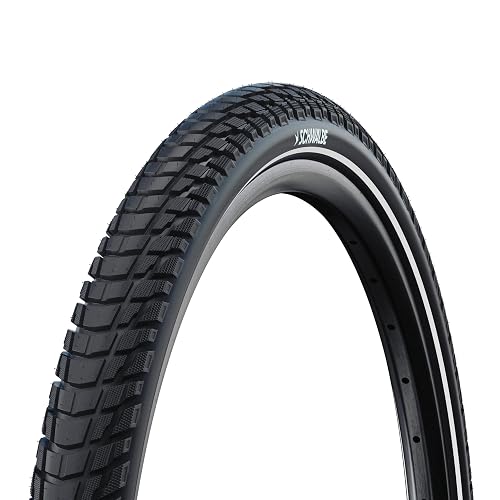
Tire choice matters just as much. A tire around 42 to 45 mm with a file-tread center and moderate side knobs is a practical balance between rolling resistance and grip. Tubeless setups, when your rims support them, let you run lower pressures for comfort without the same pinch-flat risk.
A quick checklist before you leave:
- Gearing low enough to climb a loaded grade seated
- Tires checked for sidewall wear and tread condition
- Rear rack or frame bag rated for your planned load
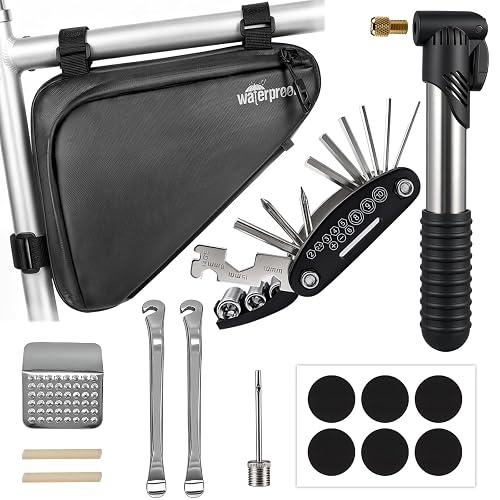
- Spare tube, patch kit and a compact pump or CO2 inflator
- Chain lubed and cassette cleaned
Plan Your Route and Carry the Right Tools
Gravel routes change quickly. A road can be graded one season and washed out the next, so check recent trip reports and official land-management notices before committing to a remote section. Offline maps and a backup navigation method are essential where cell coverage fades. For more on this, read Navigation for Bike Touring: GPS, Maps and Backups.
Pack a basic repair kit, including tire levers, a multitool with the right hex and Torx sizes, and a spare derailleur hanger if your frame uses one. Knowing how to fix a flat, true a wheel and adjust brakes will save more days than any upgrade.
Tips and Common Mistakes
- Do not assume a gravel bike can carry a full touring load. Confirm rack ratings and mounting points first.
- Avoid running very narrow road tires on rough gravel; you lose grip and risk pinch flats.
- Test the fully loaded bike on a short ride before the trip, including steep hills.
- Check bolts and cable routing after the first 50 miles, since loaded bikes shift.
- If you are unsure about frame stress or brake setup, have a qualified bike mechanic check the build.
Recommended Gear
A rear rack rated for your load keeps weight off the handlebars and frame, which is especially helpful on rough surfaces. View on Amazon
Wide tires in the 42 to 45 mm range give you grip on loose gravel while still rolling reasonably well on pavement. View on Amazon
A frame bag keeps heavy items low and centered, which steadies the bike on descents. View on Amazon
FAQ
Is a gravel bike good enough for a full bike tour?
Yes, for many riders, especially on mixed surfaces. Check frame clearance, rack mounts and gearing before you commit, since not every gravel bike is built to carry a heavy load.
What tire width should I use for touring on gravel?
Most touring riders on mixed terrain find 40 to 45 mm a good balance. Wider tires add grip and comfort, while narrower tires roll faster on pavement.
Should I choose a gravel bike or a touring bike?
Choose a gravel bike if your route includes significant unpaved sections. Choose a touring bike if most of your riding is paved and you want maximum rack capacity and stability. Miyata 1000 Touring Bike: Specs, Fit and Setup for Long Tours goes further into this.
Conclusion
A gravel bike for touring offers a practical blend of pavement speed and dirt capability when frame clearance, gearing and mounting points are set up correctly. Confirm those details before you buy, then test the loaded bike on shorter rides. With the right setup, one bike can handle most of the routes you are likely to choose.
Related reading
Ready to choose one?
About Caleb Morgan
Caleb Morgan is part of our editorial team and reviews and edits our bike touring & bikepacking guides, checking product details against manufacturer specifications and owner feedback.