 By Caleb Morgan
Updated November 2026
Choosing the best adventure bike for touring comes down to three things: how well the bike handles mixed terrain, how comfortable it stays over many hours in the saddle, and how easily it carries gear for days away from resupply. This guide compares five options against those criteria, using manufacturer specifications, product listings and common owner feedback patterns.
Our top picks at a glance
- 1
 TOP CHOICEBest overallThe Best Adventure Bike: How to Own the Best Adventure Bike NowView on Amazon
- 2
 TOP CHOICEBest for rider protectionBYKR Adventure Touring Motorcycle Jacket For Men & Women Enduro BikerView on Amazon
- 3
 TOP CHOICEBest for route inspiration100 Bike Rides of a Lifetime: The World's Ultimate Cycling ExperiencesView on Amazon
- 4
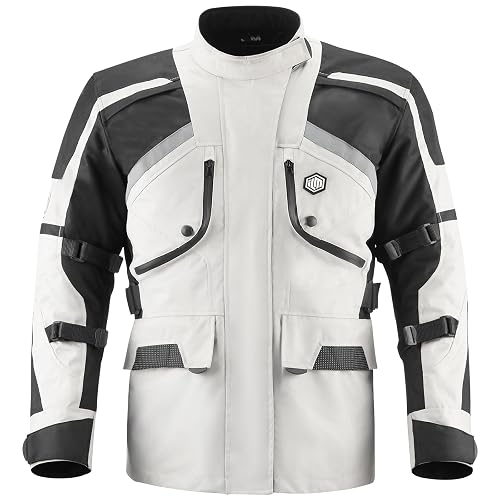 Best for all-weather gearYKK Zipper, Reflective Design, 600D Oxford, Water Resistant, DetachablView on Amazon
- 5
 Best for planning your first tourBasic Illustrated Bike Touring and BikepackingView on Amazon
Our Top Picks
Quick Comparison
| Product | Best for | Key feature |
|---|---|---|
| The Best Adventure Bike: How to Own the Best Adventure Bike Now | Overall guidance | Broad bike-buying overview |
| BYKR Adventure Touring Motorcycle Jacket | Rider protection | CE armor and textile shell |
| 100 Bike Rides of a Lifetime | Route inspiration | Curated destination list |
| ILM CE Armored Adventure Motorcycle Jacket RL01 | All-weather gear | Detachable thermal lining |
| Basic Illustrated Bike Touring and Bikepacking | First tour planning | Illustrated how-to format |
The Best Adventure Bike: How to Own the Best Adventure Bike Now
The Best Adventure Bike: How to Own the Best Adventure Bike Now
Best for: Overall guidance on choosing and owning a capable adventure bike.
This book suits riders who want a broad framework before committing to a specific machine, covering the trade-offs between frame geometry, tire width and carrying capacity.
Pros
- Clear overview of what separates adventure bikes from road bikes
- Useful for comparing specifications across brands
Cons
- General guidance rather than model-specific reviews
BYKR Adventure Touring Motorcycle Jacket For Men & Women Enduro Biker Textile Riding Gear CE Armored
BYKR Adventure Touring Motorcycle Jacket For Men & Women Enduro Biker Textile Riding Gear CE Armored
Best for: Rider protection on long, mixed-surface days.
Aimed at riders who spend long hours in the saddle and want armored outerwear for off-road sections and variable weather.
Pros
- CE-rated armor listed for elbows and shoulders
- Textile construction suited to layering
Cons
- Sizing can run differently across sellers, so check the size chart closely
100 Bike Rides of a Lifetime: The World’s Ultimate Cycling Experiences
100 Bike Rides of a Lifetime: The World's Ultimate Cycling Experiences (100 of a Lifetime)
Best for: Route inspiration for planning bigger trips.
Suited to riders who want to shortlist destinations before mapping out distances, elevation and lodging.
Pros
- Wide range of routes across regions and terrain types
- Good starting point for building a multi-day itinerary
Cons
- Inspiration-focused, so you will need separate route data for planning
YKK Zipper, Reflective Design, 600D Oxford, Water Resistant ILM CE Armored Adventure Motorcycle Dirt Bike Jacket RL01
YKK Zipper, Reflective Design, 600D Oxford, Water Resistant, Detachable thermal lining, Ebike Motocross ATV Riding Compatible ILM CE Armored Adventure Motorcycle Dirt Bike Jacket All Season Men RL01
Best for: All-weather gear across seasons.
A fit for riders who ride in shifting conditions and want a jacket that adapts with a removable liner.
Pros
- Detachable thermal lining for cool mornings and warm afternoons
- Reflective detailing for low-light visibility
Cons
- Heavier than a lightweight summer jacket
Basic Illustrated Bike Touring and Bikepacking
Basic Illustrated Bike Touring and Bikepacking (Basic Illustrated Series)
Best for: Planning your first tour with clear visual guidance.
Best for newer tourers who want illustrated instruction on packing, route planning and bike setup.
Pros
- Illustrated format makes setup steps easy to follow
- Covers both touring and bikepacking approaches
Cons
- Introductory depth, so experienced riders may want more specialized titles
Buying Guide
Frame geometry and stability
Touring-oriented adventure bikes typically use a more relaxed head angle and longer wheelbase than sport models. That geometry tends to track steadily under a loaded rear rack.
Tire width and surface versatility
Wider tires, often in the 40 to 50 mm range on gravel-capable frames, add grip and comfort on unpaved sections. Confirm your frame’s clearance before choosing a size.
Load capacity and mounting points
Check whether the frame has rack and fender mounts, and what rear rack weight limit the manufacturer specifies. Plan your gear weight against those numbers.
Rider comfort and protective gear
Long days demand a saddle that fits your sit bones and protective layers suited to your climate. Consider how outerwear and padding work together over hours of riding.
Good picks for this: BYKR Adventure Touring Motorcycle Jacket, ILM CE Armored Adventure Motorcycle Jacket RL01
Related reading
- Mountain Bike for Touring: 3 Best Picks for Every Need (2026)
- Difference Between Adventure Bike and Touring Bike (2026): Which Should You Choose?
- Bike Trails in NH: 7 Best Rail Trails and Routes for Touring (2026)
- Best Touring Bike Shoes: 5 Key Factors and Picks for Long Rides (2026)
- Best Tent for Solo Bike Touring: 4 Sea to Summit Tents Compared
- Best Steel Touring Bike: 6 Factors to Check Before You Buy (2026)
About Caleb Morgan
Caleb Morgan is part of our editorial team and reviews and edits our bike touring & bikepacking guides, checking product details against manufacturer specifications and owner feedback.