By Claire Whitaker
Updated November 2026
Choosing the best bikepacking trips in the world starts with knowing where to go and how to get there, and most riders find that a well-written book or guide does more planning work than any map app. This list covers seven titles that help you choose routes, understand terrain, and plan multi-day rides across continents. Each pick was selected using published specifications, publisher descriptions, brand reputation among cycling readers, and recurring owner feedback patterns. We did not test these books ourselves, and we list them as planning resources rather than gear.
Our top picks at a glance
- 1
 TOP CHOICEBest overallBasic Illustrated Bike Touring and BikepackingView on Amazon
- 2
 TOP CHOICEBest for iconic international routesGrand Bikepacking Journeys: Riding Iconic Routes Around the WorldView on Amazon
- 3
 TOP CHOICEBest for back-road explorationBikepacking: Exploring the Roads Less CycledView on Amazon
- 4
 Best for beginnersBikepacking Illustrated: Getting started with bikepackingView on Amazon
- 5
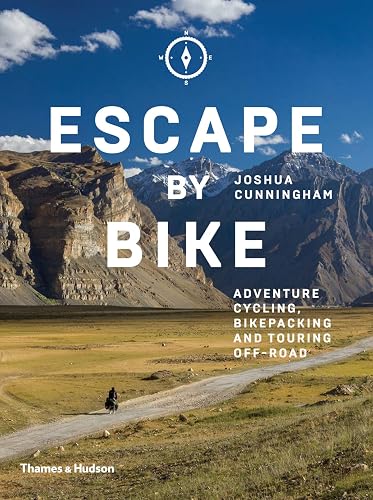 Best for off-road touringEscape by Bike: Adventure Cycling, Bikepacking and Touring Off-RoadView on Amazon
- 6
 Best for expedition-style tripsFatbiking across Mongolia: A 2000 kilometre bikepacking adventureView on Amazon
- 7
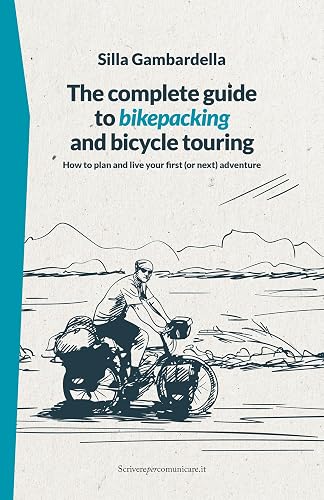 Best for first-time plannersThe complete guide to bikepacking and bicycle touring: How to plan andView on Amazon
Our Top Picks
Quick Comparison
| Product | Best for | Key feature |
|---|---|---|
| Basic Illustrated Bike Touring and Bikepacking | Overall planning | Illustrated, structured introduction |
| Grand Bikepacking Journeys | Iconic international routes | Route-by-route descriptions |
| Bikepacking: Exploring the Roads Less Cycled | Back-road exploration | Focus on quiet, less-traveled roads |
| Bikepacking Illustrated | Beginners | Visual guidance on getting started |
| Escape by Bike | Off-road touring | Covers adventure cycling and touring off-pavement |
| Fatbiking across Mongolia | Expedition-style trips | Long-distance remote travel narrative |
| The complete guide to bikepacking and bicycle touring | First-time planners | Step-by-step trip planning |
Basic Illustrated Bike Touring and Bikepacking
Basic Illustrated Bike Touring and Bikepacking (Basic Illustrated Series)
Best for: Overall planning and a solid foundation in bike touring
This book suits riders who want a broad, well-organized introduction before committing to a specific route. It works well for readers who learn from diagrams and short sections, and who plan to combine touring fundamentals with off-road bikepacking.
Key specs
- Part of the Basic Illustrated series
- Covers bike touring and bikepacking together
Pros
- Clear, illustrated layout that is easy to scan
- Good coverage of both touring and bikepacking basics
- Useful reference for planning a first multi-day trip
Cons
- Less depth on specific international routes
- Advanced riders may want more technical detail
Bottom line: A strong starting point for riders who want an organized overview before choosing a destination.
Grand Bikepacking Journeys: Riding Iconic Routes Around the World
Grand Bikepacking Journeys: Riding Iconic Routes Around the World
Best for: Iconic international routes
This title is aimed at riders who already know they want a big trip and are looking for inspiration and route context. Owners often report that the route-focused structure makes it easy to compare long-distance options side by side.
Key specs
- Focuses on well-known long-distance bikepacking routes worldwide
Pros
- Strong route-by-route structure for comparison
- Good source of ideas for multi-week trips
- Highlights destinations beyond the usual lists
Cons
- Less practical detail on daily logistics
- Route information may need checking against current sources
Bottom line: Best for riders choosing between big-name international routes and ready for a long trip.
Bikepacking: Exploring the Roads Less Cycled
Bikepacking: Exploring the Roads Less Cycled
Best for: Back-road exploration
This book fits riders who prefer quiet lanes, gravel, and unmarked tracks over famous corridors. It suits people who enjoy route discovery and want to build trips around scenery rather than milestones.
Key specs
- Focus on lesser-traveled roads and terrain
Pros
- Good for finding quieter alternatives to crowded routes
- Encourages self-reliant route planning
- Inspires trips close to home as well as abroad
Cons
- Requires extra map work to turn ideas into routes
- Less useful for riders who want turn-by-turn detail
Bottom line: A good pick for experienced planners who enjoy building their own itinerary.
Bikepacking Illustrated: Getting started with bikepacking
Bikepacking Illustrated – Getting started with bikepacking
Best for: Beginners
This title is written for riders new to bikepacking who want to understand gear setup, pacing, and trip basics before going far. It is a sensible choice for someone who has done day rides and is ready for their first overnight.
Key specs
- Introductory guide to bikepacking fundamentals
Pros
- Approachable for riders with no touring background
- Visual format helps with setup concepts
- Good companion to a first overnight trip
Cons
- Limited depth for experienced multi-week tourers
- Route examples may be fewer than in larger atlases
Bottom line: Ideal for beginners who want to build confidence before tackling long routes.
Escape by Bike: Adventure Cycling, Bikepacking and Touring Off-Road
Escape by Bike: Adventure Cycling, Bikepacking and Touring Off-Road
Best for: Off-road touring
This book suits riders who want to leave pavement behind and understand how off-road adventure cycling differs from road touring. It is a good fit for readers interested in dirt, gravel, and mixed-surface routes.
Key specs
- Covers adventure cycling, bikepacking, and touring off-road
Pros
- Clear focus on off-road travel
- Useful for comparing touring styles
- Inspiring visual content for trip ideas
Cons
- Less focused on paved long-distance routes
- Route specifics may require supplementary maps
Bottom line: A good match for riders planning gravel, dirt, or mixed-terrain trips.
Fatbiking across Mongolia: A 2000 kilometre bikepacking adventure
Fatbiking across Mongolia: A 2000 kilometre bikepacking adventure (Cycling Adventures around the World Book 3)
Best for: Expedition-style trips
This title is a narrative account of a long, remote journey, best suited to riders drawn to expedition-scale travel. Readers planning similar trips should treat it as inspiration and then research current conditions, permits, and logistics independently.
Key specs
- Describes a roughly 2000 kilometre bikepacking journey
- Focus on fat bike travel across remote terrain
Pros
- Vivid account of remote, long-distance riding
- Shows how expedition-scale trips are structured
- Useful for understanding terrain and self-sufficiency
Cons
- Narrative focus means less practical planning detail
- Specific conditions described may have changed
Bottom line: Best for riders who want to read about big, remote expeditions before planning their own.
The complete guide to bikepacking and bicycle touring: How to plan and live your first (or next) adventure
The complete guide to bikepacking and bicycle touring: How to plan and live your first (or next) adventure
Best for: First-time planners
This guide targets riders who want a complete planning framework, from choosing a route to packing and daily routines. It suits both first-timers and those returning to touring after a break.
Key specs
- Covers planning and day-to-day life on a bikepacking trip
Pros
- Broad coverage from planning to on-the-road routines
- Useful checklists and structure for first trips
- Good balance of touring and bikepacking topics
Cons
- Breadth means less depth on any single region
- Experienced riders may already know much of the content
Bottom line: A practical choice for anyone building their first complete trip plan.
Buying Guide
Route Scope and Distance
Decide whether you want a single long route, a regional loop, or a set of options. Books focused on iconic corridors suit riders planning big trips, while regional titles fit shorter weekends. Check that the distances described match the days you have available.
Good picks for this: Grand Bikepacking Journeys, Bikepacking: Exploring the Roads Less Cycled
Terrain and Surface
Paved, gravel, dirt, and fat-bike terrain each call for different planning. Look for books that describe the surfaces you expect to ride, and note whether the guide covers tire choice and road conditions.
Good picks for this: Escape by Bike, Fatbiking across Mongolia
Experience Level
Beginners benefit from structured introductions that explain gear setup and pacing. Experienced riders often prefer route-focused titles with less basic instruction. Match the book’s depth to your current skill.
Good picks for this: Bikepacking Illustrated, Basic Illustrated Bike Touring and Bikepacking
Planning Logistics
Good trip guides cover resupply, water, camping, and daily mileage. Check whether the book addresses these practical questions or leaves them to you. Pair any guide with current local sources for accommodation and services.
Good picks for this: The complete guide to bikepacking and bicycle touring, Basic Illustrated Bike Touring and Bikepacking
Currency of Information
Routes, permits, and conditions change. A book describing a route years ago may not reflect current access rules or services. Verify key details with official tourism or land-management sources before you go.
Good picks for this: Grand Bikepacking Journeys, Fatbiking across Mongolia
Format and Usability
Illustrated formats are easier to scan on the road, while text-heavy narratives reward slow reading at home. Think about whether you will reference the book during a trip or only use it for inspiration and planning.
Good picks for this: Bikepacking Illustrated, Escape by Bike
Purpose of Reading
Some books work as planning manuals, others as travel inspiration. Decide what you need before buying, since a narrative account serves dreaming better than scheduling a trip.
Good picks for this: Fatbiking across Mongolia, Bikepacking: Exploring the Roads Less Cycled
FAQ
What are the best bikepacking trips in the world for beginners?
Beginners usually do best starting with a shorter regional route, then progressing to longer international trips. Guides with clear, structured introductions help you build skills before tackling remote terrain.
How long does a typical long-distance bikepacking trip take?
Trip length depends heavily on distance, terrain, and daily mileage. Many riders plan multi-week itineraries, while expedition-scale routes can take considerably longer. Use route guides to estimate daily targets for your own fitness.
Do I need a specific bike for bikepacking?
Many riders use gravel, mountain, or touring bikes, and some choose fat bikes for soft or remote terrain. The right choice depends on surfaces and load. Check with a qualified bike shop before buying equipment for a long trip.
Is bikepacking safe to do alone?
Solo bikepacking is common, but it carries real risks, including weather, injury, and remote conditions. Tell someone your route and schedule, carry navigation and emergency gear, and consult local authorities about current hazards.
How should I plan food and water on remote routes?
Map resupply points and water sources before departure, and carry a margin for delays. Guides often cover these logistics in detail. Verify availability with current local information, since services change.
Are these books enough to plan a trip on their own?
Books provide valuable structure and route ideas, but they should be combined with current maps, weather data, and official land-access information. Treat them as a starting point rather than a complete plan.
Conclusion
The best bikepacking trips in the world reward riders who plan carefully, and the right reference can make that planning far easier. For a well-rounded starting point, Basic Illustrated Bike Touring and Bikepacking offers clear structure. Riders chasing famous international corridors should look at Grand Bikepacking Journeys, while those who prefer quiet back roads will find Bikepacking: Exploring the Roads Less Cycled more useful. Beginners benefit most from Bikepacking Illustrated, and expedition-minded readers will enjoy Fatbiking across Mongolia. Whichever you choose, verify current route conditions before you ride.
Sources
- Official guidance on national trail access, permits, and visitor safety for long-distance travel on public lands (nps.gov)
- Topographic maps, terrain data, and water-resource information useful for route and resupply planning (usgs.gov)
- Health and travel guidance relevant to hydration, heat, and remote-area preparedness (cdc.gov)
Related reading
- Top 6 Salt Spring Island Bikepacking Books Compared for Trip Planning
- 7 Best Sea to Summit Bikepacking Tents for Solo and Two-Person Trips
- 7 Best Bikepacking Tents 1 Persons for Solo Trips (2026)
- 6 Best Bikepacking Tent 1 Persons: Picks for Solo Trips in 2026
- 6 Best Bikepacking Routes in the Worlds: Picks Compared for 2026
- 6 Best Big Agnes Bikepacking Tents for Ultralight Trips (2026)
About Claire Whitaker
Claire Whitaker is part of our editorial team and reviews and edits our bike touring & bikepacking guides, checking product details against manufacturer specifications and owner feedback.