 By Colin Foster
Updated November 2026
Choosing the right bikepacking bike comes down to how you plan to ride: how much gear you carry, what surfaces you cover and how long you stay out. This guide shows you how to choose a bikepacking bike by working through the criteria that matter most, then compares seven books and guides that help you plan and build that choice. The selection method here is research-based, drawing on published specifications, brand reputation and common owner feedback patterns. None of these products were tested by us, so treat the picks as reading to help you decide, not as verdicts on hardware.
Our top picks at a glance
- 1
 TOP CHOICEBest overallBasic Illustrated Bike Touring and Bikepacking (Basic Illustrated Series)View on Amazon
- 2
 TOP CHOICEBest for visual learnersBikepacking Illustrated – Getting started with bikepackingView on Amazon
- 3
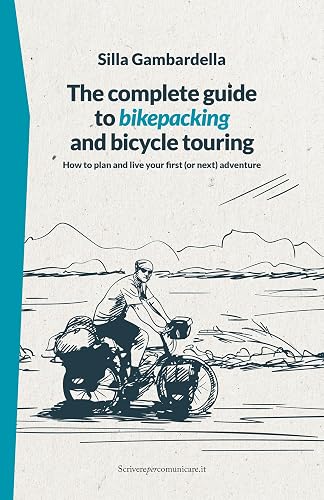 TOP CHOICEBest for planning your first tripThe complete guide to bikepacking and bicycle touring: How to plan andView on Amazon
- 4
 Best for mountain bike maintenanceZinn and the Art of Mountain Bike Maintenance, 7th EditionView on Amazon
- 5
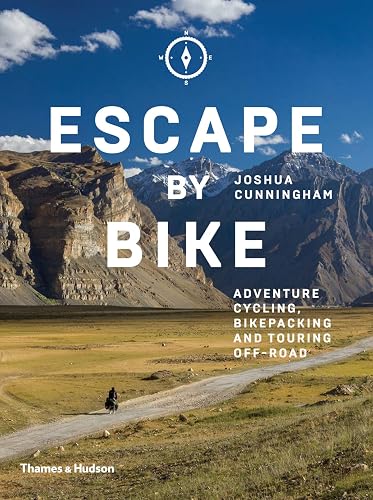 Best for off-road routesEscape by Bike: Adventure Cycling, Bikepacking and Touring Off-RoadView on Amazon
- 6
 Best for lightweight setupsUltralight Bike Touring and Bikepacking: The Ultimate Guide to LightweView on Amazon
- 7
 Best for inspirationBikepacking: Exploring the Roads Less CycledView on Amazon
Our Top Picks
Because “bikepacking bike” is a category rather than a single model, the picks below are the reference books and guides that walk you through the decision. Each one covers a different slice of the choice: frame geometry and fit, load carrying, gearing, route planning or maintenance. Read them alongside the buying criteria in the sections that follow.
Quick Comparison
| Product | Best for | Key feature |
|---|---|---|
| Basic Illustrated Bike Touring and Bikepacking | Beginners choosing their first setup | Illustrated overview of touring and bikepacking basics |
| Bikepacking Illustrated – Getting started with bikepacking | Visual learners | Diagram-led explanations of gear and setup |
| The complete guide to bikepacking and bicycle touring | Planning a first or next trip | Covers planning and day-to-day living on the road |
| Zinn and the Art of Mountain Bike Maintenance, 7th Edition | Owners who service their own bike | Long-running maintenance reference |
| Escape by Bike: Adventure Cycling, Bikepacking and Touring Off-Road | Riders favoring unpaved routes | Off-road touring focus |
| Ultralight Bike Touring and Bikepacking | Riders chasing a low total load | Lightweight gear strategies |
| Bikepacking: Exploring the Roads Less Cycled | Route inspiration | Trip-driven storytelling and ideas |
Basic Illustrated Bike Touring and Bikepacking (Basic Illustrated Series)
Basic Illustrated Bike Touring and Bikepacking (Basic Illustrated Series)
Best for: Beginners who need a clear overview before buying a bike
This is a good starting point for riders who have never set up a loaded bike. It suits anyone who wants the core vocabulary of touring and bikepacking before comparing frames.
Key specs
- Format: illustrated guide in the Basic Illustrated series
- Scope: touring and bikepacking fundamentals
Pros
- Clear introduction to the terms used in bikepacking shops
- Visual format suits quick reference at home or on the road
- Covers the basics without assuming prior experience
Cons
- Introductory depth means experienced riders may want more detail
- Does not replace a fit appointment with a bike shop
Bottom line: The best first read for anyone still deciding what kind of bike and load setup fits their riding.
Bikepacking Illustrated – Getting started with bikepacking
Bikepacking Illustrated – Getting started with bikepacking
Best for: Visual learners comparing bag layouts and frame options
Riders who understand concepts better through pictures will find this useful when weighing how frame bags, seatpacks and handlebar bags interact with a given bike.
Key specs
- Format: illustrated getting-started guide
- Focus: bikepacking setup and gear layout
Pros
- Diagram-led explanations of bag placement
- Helpful for comparing frame sizes and bag fit
- Short reading time for busy planners
Cons
- Visual focus means less detail on route planning
- Gear recommendations may date as products change
Bottom line: Pick this if you want to see how a loaded bike should look before you shop.
The complete guide to bikepacking and bicycle touring: How to plan and live your first (or next) adventure
The complete guide to bikepacking and bicycle touring: How to plan and live your first (or next) adventure
Best for: Riders planning a first trip and deciding what their bike needs to carry
This guide connects the bike choice to the trip itself. It is aimed at people who want to match frame and load capacity to the distance, terrain and days they expect to ride.
Key specs
- Scope: trip planning plus daily life on tour
- Covers preparation from route choice to packing
Pros
- Ties bike choice to real trip length and terrain
- Covers the practical side of living on the road
- Useful checklists for pre-trip preparation
Cons
- Broad scope means some topics get less depth
- Specific bike models are not the focus
Bottom line: The right pick for riders whose main question is “what does my bike need to do on my trip?”
Zinn and the Art of Mountain Bike Maintenance, 7th Edition
Zinn and the Art of Mountain Bike Maintenance, 7th Edition: The World's Best-Selling Guide to Mountain Bike Repair
Best for: Owners who want to maintain the bike they choose
A bikepacking bike takes constant abuse from dirt, rain and loaded racks. This reference helps you judge how serviceable a frame and drivetrain will be over a long tour.
Key specs
- Edition: 7th
- Focus: mountain bike repair and maintenance
Pros
- Long-established reference with a wide readership
- Explains repair steps useful on the road
- Helps you spot maintenance demands before buying
Cons
- Mountain bike focus means some touring topics are out of scope
- Reads as a workshop manual rather than a buying guide
Bottom line: Best for riders who expect to do their own wrenching on a trail-capable bikepacking setup.
Escape by Bike: Adventure Cycling, Bikepacking and Touring Off-Road
Escape by Bike: Adventure Cycling, Bikepacking and Touring Off-Road
Best for: Riders leaning toward gravel, dirt and backcountry routes
If your planned routes are mostly unpaved, frame clearance, tire width and gearing matter more than on paved touring. This book helps you think through those trade-offs.
Key specs
- Focus: off-road adventure cycling and bikepacking
- Format: illustrated travel and technique guide
Pros
- Strong focus on unpaved terrain
- Useful for judging tire and clearance needs
- Inspires route ideas beyond paved roads
Cons
- Less relevant to riders who stay on pavement
- Route examples may not match your region
Bottom line: A strong choice for anyone whose bike must handle loose surfaces as well as roads.
Ultralight Bike Touring and Bikepacking: The Ultimate Guide to Lightweight Cycling Adventures
Ultralight Bike Touring and Bikepacking: The Ultimate Guide to Lightweight Cycling Adventures
Best for: Riders who want the lowest practical total load
Lighter setups change which frame, wheels and bags make sense. This guide is for riders weighing how much a lighter bike and kit will change their riding.
Key specs
- Focus: lightweight touring and bikepacking strategies
- Scope: gear selection and load reduction
Pros
- Clear strategies for reducing total load
- Helps you prioritize which items matter most
- Useful when comparing bike weight against gear weight
Cons
- Ultralight choices can trade durability and comfort
- Advice may suit fast-moving riders more than slow tourers
Bottom line: Pick this if your goal is minimal weight without giving up the ability to carry what you need.
Bikepacking: Exploring the Roads Less Cycled
Bikepacking: Exploring the Roads Less Cycled
Best for: Riders looking for route ideas that shape the bike they need
Knowing where you want to ride is the strongest input into bike choice. This book helps you picture the kind of trip that will guide your frame, tire and gearing decisions.
Key specs
- Focus: bikepacking trips and exploration
- Format: trip-driven narrative and ideas
Pros
- Helps you define your riding style before shopping
- Inspiring route stories and trip ideas
- Good companion to a more technical guide
Cons
- Light on specific equipment guidance
- Inspiration does not replace fit and spec checks
Bottom line: A good pick once you know roughly what kind of riding you want and need motivation to plan it.
Buying Guide
Frame Size and Fit
Fit is the first thing to get right. Bikepacking bags sit on the frame, so a bike that fits comfortably unloaded can feel cramped once you add a frame bag and seatpack. Measure your inseam and reach, then compare geometry charts from manufacturers. Many touring frames offer longer wheelbases and more stable steering for loaded riding.
Good picks for this: Basic Illustrated Bike Touring and Bikepacking; Bikepacking Illustrated – Getting started with bikepacking
Frame Material and Durability
Steel, aluminum, titanium and carbon are all used for bikepacking frames. Steel is often praised by owners for its ride quality and ease of repair on remote trips. Aluminum is common and light. Carbon can save weight but owners often report needing more care around clamping points and impacts. Check the manufacturer’s stated load limits for the frame and fork.
Good picks for this: Zinn and the Art of Mountain Bike Maintenance; Ultralight Bike Touring and Bikepacking
Tire Width and Clearance
Wider tires add comfort and traction on gravel and dirt but need clearance in the frame and fork. Check the maximum tire width the manufacturer specifies, and remember that fenders or a loaded bag can reduce usable clearance. Many riders choose a middle width that balances rolling speed against surface variety.
Good picks for this: Escape by Bike: Adventure Cycling, Bikepacking and Touring Off-Road; Bikepacking: Exploring the Roads Less Cycled
Gearing for Loaded Climbing
A loaded bike needs lower gears than you might expect. Look for a low gear that lets you climb steep grades at a steady cadence. Owners often report that a 1x drivetrain with a wide-range cassette simplifies shifting, while a 2x setup gives more close-ratio options. Confirm the derailleur capacity and cassette range the manufacturer lists.
Good picks for this: The complete guide to bikepacking and bicycle touring; Basic Illustrated Bike Touring and Bikepacking
Load Capacity and Mounting Points
Check whether the frame has bosses for bottle cages, rack mounts, fork mounts and frame bag clearance. Confirm the stated rack and fork load limits. Frame bags work best when the frame has enough space between the top tube and down tube, and when seatpacks clear the rear tire at full compression.
Good picks for this: Bikepacking Illustrated – Getting started with bikepacking; The complete guide to bikepacking and bicycle touring
Use Case and Route Type
Pavement touring, gravel, singletrack and mixed routes each push a bike in different directions. A road-oriented frame may be fine on paved backroads but feel limited on rough tracks. Write down your typical surface, daily distance and trip length, then match the bike to the hardest surface you expect to ride regularly.
Good picks for this: Escape by Bike: Adventure Cycling, Bikepacking and Touring Off-Road; Bikepacking: Exploring the Roads Less Cycled
Serviceability and Care
A bikepacking bike will see dirt, water and heavy loads. Choose a setup with accessible cable routing, standard bottom brackets and widely available spare parts where possible. Owners often report that standard-threaded components and clear service paths make field repairs easier. Plan regular cleaning and inspection of bolts, bearings and bag mounts.
Good picks for this: Zinn and the Art of Mountain Bike Maintenance; Ultralight Bike Touring and Bikepacking
FAQ
What is the most important factor when choosing a bikepacking bike?
Fit and load capacity usually matter most. A bike that fits your body comfortably and has clear mounting points for your bags will serve you better than one with a flashy spec sheet but poor geometry for loaded riding.
Do I need a dedicated bikepacking frame?
Not always. Many riders adapt gravel or mountain bikes with suitable clearance and mounting points. A dedicated frame often offers better geometry and more bag mounts, but a well-chosen existing bike can work well for shorter trips.
How wide should my tires be?
It depends on your terrain and the clearance your frame allows. Check the manufacturer’s maximum tire width and leave room for mud and loaded bags. Wider tires give comfort and grip on rough surfaces, while narrower tires roll faster on pavement.
What gearing should I look for?
Look for low gears that let you climb steep grades while carrying weight. Confirm the derailleur capacity and cassette range listed by the manufacturer, since these set the practical limits on gear ratios.
Is a steel frame better than aluminum or carbon?
Each material has trade-offs. Steel is often valued for ride quality and repairability, aluminum for a good balance of weight and cost, and carbon for low weight with more care needed around impacts and clamping. Choose based on your riding and maintenance habits.
How much load should a bikepacking bike carry?
Check the manufacturer’s stated load limits for the frame, fork and any racks. Many riders keep total load within those limits and spread weight low and centered. Exceeding limits can damage components and affect handling.
Should I consult a professional before buying?
Yes. A professional bike fitter or experienced bike shop can measure your body, check frame fit and confirm component compatibility. For medical concerns about riding posture or injuries, consult a qualified healthcare provider.
Conclusion
Learning how to choose a bikepacking bike means putting fit, load capacity, tire clearance, gearing and serviceability ahead of trend-driven features. Start with the basics in Basic Illustrated Bike Touring and Bikepacking if you are new, and use the visual guide to compare bag layouts. Riders planning a specific trip will benefit from The complete guide to bikepacking and bicycle touring. Off-road riders should look at Escape by Bike, while lightweight-minded tourers may prefer Ultralight Bike Touring and Bikepacking. Owners who plan to maintain their own bike should keep Zinn and the Art of Mountain Bike Maintenance on hand, and anyone still searching for trip ideas will find inspiration in Bikepacking: Exploring the Roads Less Cycled.
For deeper dives on specific decisions, see Multi-Day Bike Routes: How to Choose and Plan Them to match terrain to your bike, Panniers for Bike Touring: How to Choose, Fit and Pack (2026) to plan load carrying, Wheels for Touring Bike: How to Choose the Right Setup (Step-by-Step) for wheel and tire decisions, Full Frame Bag Bikepacking: How to Choose and Pack One (2026) for frame bag fit, and Bike Tour Packing List: What to Take and How to finalize your kit.
Sources
- Guidance on trail and backcountry travel on federal lands, useful when planning off-road bikepacking routes (nps.gov)
- Consumer safety information on bicycle equipment and recalls to check before buying (cpsc.gov)
- Resources on sustainable land use and trail access considerations for multi-day travel (usda.gov)
About Colin Foster
Colin Foster is part of our editorial team and reviews and edits our bike touring & bikepacking guides, checking product details against manufacturer specifications and owner feedback.