By Claire Whitaker
Updated November 2026
Choosing between a bikepacking drop bar vs flat bar setup is one of the first decisions that shapes how a bike rides, how many hand positions you get on long days, and how your gear mounts. Drop bars offer multiple grip positions and a more aerodynamic posture for fast gravel and paved miles. Flat bars give you a more upright stance, wider control on rough terrain, and easier compatibility with bar bags and shifter setups. This guide compares six handlebars across the criteria that matter most on tour: hand positions, comfort over 50-plus mile days, control on loose surfaces, bag compatibility, weight, and how well each bar suits a typical rig.
Our top picks at a glance
- 1
 TOP CHOICEBest overallZipp Service Course 80 Ergo Drop Handlebar 31.8mm 40cm Black AluminumView on Amazon
- 2
 TOP CHOICEBest for gravel and mixed surfacesUltra Light Carbon Flared Flat Aero Drop Bars Handlebars for Gravel BikeView on Amazon
- 3
 TOP CHOICEBest for comfort on long daysRitchey Comp ErgoMax Drop Handlebar, 12 Degree Flare, 44cmView on Amazon
- 4
 Best for flat bar ridersBicycle Handlebar H Flat Bar Aluminum Alloy 22.2 * 31.8 * 200 * 690mm (Black)View on Amazon
- 5
 Best budget pickBike Handlebar H Handlebar Flat Bar Aluminum Alloy 22.2 * 31.8mm 200 * 690mmView on Amazon
- 6
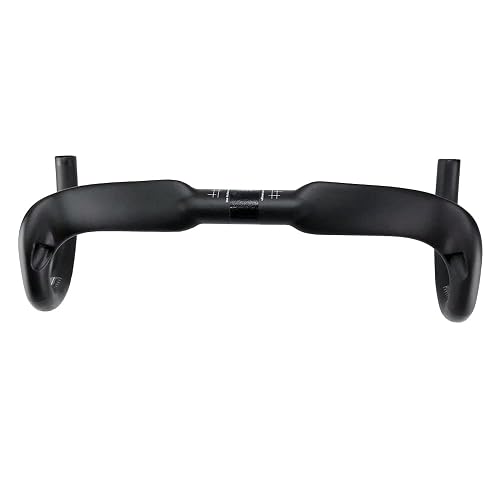 Best lightweight drop option8 flat handlebars for road bike T700 Carbon Ergonomic designView on Amazon
Our Top Picks
Quick Comparison
| Product | Best for | Key feature |
|---|---|---|
| Zipp Service Course 80 Ergo Drop Handlebar | Overall drop bar performance | Shallow drop with flat top ergonomics |
| Carbon Flared Flat Aero Drop Bars for Gravel | Gravel and mixed surfaces | Internal and external cable routing |
| Ritchey Comp ErgoMax Drop Handlebar | Comfort on long days | 12 degree flare with flattened tops |
| H Flat Bar 22.2 x 31.8 x 690mm (Black) | Flat bar control on rough roads | Aluminum alloy construction |
| H Flat Handlebar 22.2 x 31.8mm (Budget) | Budget flat bar builds | Standard touring-style flat profile |
| T700 Carbon Road Bars 31.8 mm | Lightweight drop bar builds | T700 carbon ergonomic design |
Zipp Service Course 80 Ergo Drop Handlebar 31.8mm 40cm Black Aluminum
Lightweight Performance Cycling Bar with Ergonomic Flat Top, Shallow Drop, Bead Blast Black Zipp Service Course 80 Ergo Drop Handlebar 31.8mm 40cm Black Aluminum
Best for: Overall drop bar performance on mixed paved and gravel tours.
This bar suits riders who want the hand positions of a drop bar with a flatter, more comfortable top section for sustained riding. It fits drop bar bikes with a 31.8mm clamp and works well when you want a conventional road-style cockpit for fast touring.
Key specs:
- 31.8mm clamp diameter
- 40cm width (as listed)
- Aluminum construction, black finish
- Ergonomic flat-top design with shallow drop
Pros:
- Multiple hand positions for long days
- Shallow drop reduces reach to the hoods
- Recognized brand with broad fit support
Cons:
- Narrow flare limits stability on loose descents
- Requires drop-bar-specific brake and shifter setup
Bottom line: A strong pick for riders who want a drop bar for fast, mostly paved or smooth gravel touring.
Ultra Light Carbon Flared Flat Aero Drop Bars Handlebars for Gravel Bike
Ultra Light Carbon Flared Flat Aero Drop Bars Handlebars for Gravel Bike Supports Internal And External Cabling Carbon Gravel Bike Handlebars 31.8 Flared Flat Aero Drop Bars 440mm
Best for: Gravel and mixed surfaces where you want drop bar hand positions with added flare.
Gravel riders who ride rough roads and want wider leverage and internal cable routing will find this bar a fit. The flared drop shape gives more control in loose terrain than a narrow road drop.
Key specs:
- 31.8mm clamp
- 440mm listed width
- Carbon construction
- Internal and external cable routing support
Pros:
- Flare adds stability on rough surfaces
- Internal routing keeps cables tidy for bags
- Lightweight carbon build
Cons:
- Carbon requires careful torque and crash care
- Compatibility should be checked with your brake and shifter type
Bottom line: Well suited to gravel bikepackers who value control and a clean cockpit with bar bag mounting.
Ritchey Comp ErgoMax Drop Handlebar, 12 Degree Flare, 44cm
Choose 12 Or 18 Degree Flare, Ergonomic Flattened Tops, 10mm Rise, Double-Butted 6061 Alloy, 31.8mm Clamp Ritchey Comp ErgoMax Drop Handlebar, 12 Degree Flare, 44cm
Best for: Comfort on long days in the drop position.
Riders who spend hours in the drops on multi-day tours often prefer a bar with a flattened top and moderate flare. This model is built around ergonomic hand positions and a classic touring-friendly shape.
Key specs:
- 12 degree flare (listed option; 18 degree also offered)
- 10mm rise
- Double-butted 6061 aluminum alloy
- 31.8mm clamp, 44cm width
Pros:
- Flattened tops suit long hand rests
- Moderate flare balances comfort and control
- Aluminum build is durable for loaded touring
Cons:
- Heavier than carbon alternatives
- Limited hand positions compared with a flat bar with bar ends
Bottom line: A dependable choice for touring riders who spend long stretches in the drops and want an aluminum bar that handles loads.
Bicycle Handlebar H Flat Bar Aluminum Alloy 22.2 * 31.8 * 200 * 690mm (Black)
Bicycle Handlebar H Flat Bar Aluminum Alloy 22.2 * 31.8 * 200 * 690mm MTB Gravel Touring Bike (Black)
Best for: Flat bar control on rough roads and bar bag setups.
Riders who prefer an upright stance and want a flat bar for technical singletrack or rough gravel will find this bar practical. It works well with bar bags, bar ends, and extra light mounts.
Key specs:
- 31.8mm clamp
- 690mm listed width
- Aluminum alloy construction
- H-style flat profile for MTB, gravel and touring use
Pros:
- Upright position reduces wrist and neck strain on long days
- Wide grip area for steering control
- Easy to add bar bags and bar ends
Cons:
- Fewer hand positions than a drop bar
- Less aerodynamic for sustained headwind riding
Bottom line: A solid pick for riders who prioritize control and an upright posture on rough roads.
Bike Handlebar H Handlebar Flat Bar Aluminum Alloy 22.2 * 31.8mm 200 * 690mm
Bike Handlebar H Handlebar Flat Bar Aluminum Alloy 22.2 * 31.8mm 200 * 690mm for MTB Gravel Bikes Touring Bikes
Best for: Budget flat bar builds for gravel and touring.
Riders building a bikepacking setup on a budget, or swapping a flat bar onto an existing frame, will find a simple aluminum H bar a practical starting point.
Key specs:
- 22.2mm center diameter, 31.8mm clamp
- 690mm listed width
- Aluminum alloy construction
- Designed for MTB, gravel and touring bikes
Pros:
- Straightforward flat bar shape for simple setups
- Works with common bar bag and light mounts
- Budget-friendly choice for first builds
Cons:
- Basic finish and fewer premium details
- Check bar end and shifter fit before ordering
Bottom line: A good budget flat bar for riders who want control and bag compatibility without spending heavily.
31.8 flat handlebars for road bike T700 Carbon Ergonomic design
31.8 flat handlebars for road bike T700 Carbon Ergonomic design Carbon Road Bars for cycling handle bar carbon fiber RXL SL Bicycle Handlebar drop bars Road Bicycle road handlebars 42mm 31.8
Best for: Lightweight drop bar builds for road-leaning touring.
Riders building a lighter road-style touring bike who want a carbon drop bar with an ergonomic shape will find this option appealing. It suits smooth pavement and well-maintained gravel.
Key specs:
- 31.8mm clamp
- T700 carbon construction (as listed)
- Road-style drop shape
Pros:
- Light weight for climbing loaded miles
- Ergonomic shape supports multiple hand positions
- Carbon absorbs some road buzz
Cons:
- Carbon needs careful installation and torque limits
- Less suited to heavy off-road loads than aluminum options
Bottom line: Best for riders building a lighter drop bar touring setup on mostly paved or smooth routes.
Buying Guide
Hand positions and riding posture
Drop bars give you at least three grip zones: the tops, the hoods, and the drops. Flat bars usually offer one main grip with optional bar ends for a fourth position. If your tours involve long climbs or headwinds, the extra positions on a drop bar can reduce fatigue. Riders with wrist or neck issues often prefer a flat bar’s upright stance. Consult a physical therapist or bike fitter if you have ongoing pain.
Good picks for this: Ritchey Comp ErgoMax Drop Handlebar, H Flat Bar 22.2 x 31.8mm
Handlebar width and flare
Width affects control and how your shoulders sit. Wider bars generally give more leverage on rough ground, while narrower bars improve aerodynamics and fit through tight spaces. Flare on drop bars gives extra stability in the drops. Measure your shoulder width and compare with the listed width before you buy.
Good picks for this: Carbon Flared Flat Aero Drop Bars, Zipp Service Course 80
Clamp diameter and compatibility
Most modern road and gravel bikes use a 31.8mm clamp, while many flat bar bikes use 31.8mm or 25.4mm. Confirm the clamp size on your stem before ordering. Also check whether your brake levers and shifters are designed for drop or flat bars, since the mounting systems differ.
Good picks for this: H Flat Bar 22.2 x 31.8mm, T700 Carbon Road Bars 31.8mm
Bag mounting and cable routing
A bar bag or harness needs a stable, flat surface. Flat bars make bar bag mounting straightforward. Drop bars can still carry small bags on the top section, but the curve limits options. Internal cable routing keeps housing and wires out of the way of bags. See how bar bags fit alongside frame bags in our guide to Where to Put Tent Bikepacking Gear: Frame Bag vs Handlebar Bag (2026) and check Inner Bar Ends Bikepacking: A Step-by-Step Setup Guide (2026) for extra hand positions on flat bars.
Good picks for this: Carbon Flared Flat Aero Drop Bars (internal routing), H Flat Bar 22.2 x 31.8mm
Material: aluminum vs carbon
Aluminum handles repeated loading, drops and rough handling with fewer worries. Carbon is lighter and absorbs some vibration, but it needs correct torque and inspection after crashes. Touring riders who expect hard knocks often favor aluminum. Manufacturers typically specify torque limits for carbon parts, so follow those figures closely.
Good picks for this: Ritchey Comp ErgoMax Drop Handlebar, T700 Carbon Road Bars
Use case: road, gravel or rough singletrack
Think about your typical surface. Paved and smooth gravel favor drop bars for speed and hand variety. Rough gravel, doubletrack and technical trails favor flat bars for control and upright posture. Many bikepackers choose a drop bar for road-heavy routes and a flat bar for rougher desert or forest tracks.
Good picks for this: Zipp Service Course 80 Ergo, H Flat Bar 22.2 x 31.8mm
Durability and care
Check bar tape or grips, inspect for cracks after impacts, and re-torque clamp bolts to specified values. Carry a torque wrench on long tours and recheck after the first 50 miles. Replace any bar with visible damage, especially carbon.
Good picks for this: Ritchey Comp ErgoMax Drop Handlebar, H Flat Bar 22.2 x 31.8mm
FAQ
Is a drop bar or flat bar better for bikepacking?
Neither is universally better. Drop bars suit riders who spend time on paved or smooth gravel and want multiple hand positions and a lower aerodynamic posture. Flat bars suit rough roads, upright riding and simple bag mounting. Your typical terrain should decide.
Can I switch from a flat bar to a drop bar on my bike?
Sometimes, but it is not always simple. You may need new brake levers, shifters, and possibly a different stem and brake lines. Check frame geometry and compatibility first, and consult a bike shop if you are unsure.
Do drop bars make bar bags harder to mount?
They can. The curved shape limits flat surfaces, so many riders use a smaller bag on the tops or rely on a frame bag and a handlebar harness. Flat bars make bar bag mounting easier.
How wide should my handlebar be?
Many riders match bar width to shoulder width, but preferences vary. Wider bars add control, while narrower bars improve aerodynamics and fit tight spaces. Consider a bike fitter if you are unsure.
Are carbon handlebars safe for loaded touring?
Carbon can be reliable when installed correctly and checked regularly. Follow the manufacturer’s torque specs, inspect after crashes, and replace any bar with cracks. Aluminum is often preferred for heavy loads and rough use.
Do I need bar ends with a flat bar?
Bar ends add extra hand positions and are popular on bikepacking flat bars. They are not essential, but they help on long climbs and days in the saddle. See our guide to Inner Bar Ends Bikepacking: A Step-by-Step Setup Guide (2026) for setup steps.
Which bar works best for gravel bikepacking?
Flared drop bars and wider flat bars both work well. Choose the drop option if you want hand variety and aerodynamics, or the flat bar if you prioritize upright control on rough ground.
Conclusion
For most bikepacking riders the choice between a bikepacking drop bar vs flat bar setup comes down to terrain, posture and bag plans. Drop bars such as the Zipp Service Course 80 and the flared gravel drop bar suit riders who want hand variety and efficient miles on paved and smooth gravel. Flat bars such as the H Flat Bar models suit riders who value control, upright posture and easy bag mounting. The Ritchey ErgoMax offers a comfortable aluminum option for long days in the drops, while the budget H bar is a practical starting point. If you are still deciding, consider your typical surface, your body fit, and whether you prefer bar bags or frame bags.
Sources
- Consumer product safety guidance on bicycle equipment and recalls (cpsc.gov)
- Backcountry travel and trail conditions for multi-day routes (nps.gov)
- Bike fit and handlebar guidance for touring riders
Related reading
- 7 Best Flat Bar Bikepacking Bikes for Rough Roads and Long Miles
- Where to Put Tent Bikepacking Gear: Frame Bag vs Handlebar Bag (2026)
- Top 6 Aero Bars for Bikepacking: Compared for Touring and Gravel
- Inner Bar Ends Bikepacking: A Step-by-Step Setup Guide (2026)
- Bike Touring vs Bikepacking (2026): Which Is Better for Your Next Trip?
About Claire Whitaker
Claire Whitaker is part of our editorial team and reviews and edits our bike touring & bikepacking guides, checking product details against manufacturer specifications and owner feedback.