 By Caleb Morgan
Updated November 2026
If you want to see Munich by bicycle, the best approach is to pick a route that matches your fitness and time, plan your daily distances around the city’s bike lanes and parks, and set up a base for the day’s riding. Bike tours in Munich Germany work well for both short city loops and longer day rides into the Bavarian countryside. This guide walks you through each step so you can build a ride that fits your plans.
Why Munich Works Well for Bike Tours
Munich is one of the more bike-friendly large cities in Germany. Much of the central city is flat, the Isar River and the Englischer Garten give you long car-free corridors, and a network of dedicated bike lanes connects the main sights. Riders who want a relaxed pace can cover the old town and major parks in a few hours, while those who want more distance can head south toward the Alps or out to the lakes without leaving the regional trail network far behind.
Shopping for one? See our guide: 8 Best Bike Trails USAs for Multi-Day Tours and Rail Trail Riding.
The city is also a useful starting point for self-guided trips. Trains and regional transit can carry your bike, so you are not limited to what you can ride from your hotel door.
Step 1: Decide on Your Riding Style
Before you look at any map, decide what kind of tour you want. Most bike tours in Munich fall into one of three styles:
- City loops: two to four hours, mostly on paved paths, with stops at parks, beer gardens, museums and riverside spots.
- Full-day regional rides: 40 to 70 kilometers (roughly 25 to 45 miles), usually including lakes, villages and some hills.
- Multi-day touring: several days of riding, with overnight stops in towns along the Isar, the Alpine foothills or the Danube.
Be honest about your fitness. A rider who has not cycled much should start with city loops and build up. The guide Training for a Bike Tour: Building Up Gradually is a good reference for planning a gradual ramp-up before a longer trip.
Choosing a Bike
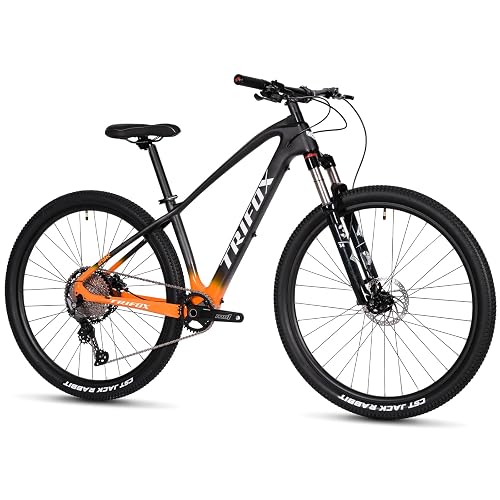
For city and paved regional routes, a hybrid, a comfortable road bike or a trekking bike all work. If you plan to ride gravel paths or forest tracks, a bike with slightly wider tires is more comfortable. Electric bikes are common for rentals and make the hills south of the city easier, though you should check whether the rental shop allows you to take the bike on trains.
Step 2: Plan Your Route and Distances
Once you know your style, map out the route. Munich’s bike network is well marked, but distances can add up faster than expected when you stop often. A useful rule is to add 20 to 30 percent to the straight-line distance on a map to account for detours, bridges and sightseeing.
Sample Route Options
| Route Type | Approximate Distance | Terrain | Good For |
|---|---|---|---|
| Old town and Englischer Garten loop | 10 to 15 km | Flat, paved | Beginners, short visits |
| Isar River path, north to south | 20 to 30 km | Mostly flat, some gravel | Relaxed day rides |
| Lakes south of the city | 50 to 70 km | Rolling, some climbs | Experienced day riders |
| Alpine foothills and valleys | 60 to 100+ km | Hilly, longer climbs | Fit riders, e-bike users |
These ranges are general. Confirm current trail conditions and closures with local tourism sources before you go, since construction and seasonal changes happen.
Checking Elevation
Munich itself is nearly flat. The climbs come as you move south toward the Alpine foothills. Look at elevation profiles on your planning tool before you commit to a route, and note where the steepest sections fall relative to your lunch and rest stops.
Step 3: Choose Where to Stay
If your tour spans more than one day, choose accommodation that matches your style. Staying in the city center keeps you close to rail connections and makes it easy to start day rides. Staying in smaller towns near your route saves riding time on the first and last days. For a broader comparison of camping, host stays and hotels, see Where to Stay on a Bike Tour: Camping, Hosts, Hotels.
Book in advance during major festival periods and summer holidays, when rooms in Munich fill quickly. Check the official Munich tourism website for current event dates and accommodation availability.
Step 4: Plan Transport and Bike Storage
Munich’s regional trains and S-Bahn lines can carry bicycles, but rules vary by line, time of day and crowding. Check the operator’s current bicycle policy before your trip, and be aware that bike spaces on some trains are limited. If you plan to ride one way and return by train, confirm the rules for that route in advance.
For overnight stops, ask whether your hotel or hostel has secure bike storage. A lockable room or covered space is worth requesting.
Step 5: Pack and Prepare
Pack for changeable weather, since Bavarian conditions can shift quickly, especially near the mountains. A checklist helps:
- A rain layer and a warm mid-layer, even in summer
- Two spare tubes, a patch kit, a mini pump and tire levers
- A multi-tool that fits your bike’s bolts
- A sturdy lock, ideally a U-lock, for stops in the city
- A helmet and front and rear lights for early or late rides
- Water bottles or a hydration pack, plus snacks
- A printed or offline copy of your route, plus a phone charger or power bank
- Ten minutes of pre-ride checks: tire pressure, brakes and quick-release skewers
Common Mistakes to Avoid
- Underestimating distance. Sightseeing stops add up. Build in buffer time.
- Ignoring the weather forecast for the Alps. Conditions in the foothills can differ sharply from the city.
- Leaving the bike unlocked at beer gardens and train stations, where theft is a known risk.
- Forgetting train rules. Arriving at a platform without a valid bike ticket or space can derail the whole day.
- Riding too far on the first day. Start with a short loop to test your bike fit and comfort.
Tips for a Better Munich Ride
- Ride the Isar paths early in the morning to avoid the heaviest weekend traffic.
- Carry small change or check current payment options for stops along the way.
- Plan one rest day on multi-day tours. Your legs will thank you.
- Learn a few basic German road and path signs, and follow the designated bike lanes.
Recommended Gear
A few items make a real difference on city and regional rides:
- Bicycle lock: a sturdy U-lock is useful for securing your bike at Munich’s busy stops. View on Amazon
- Puncture repair kit: a compact patch kit and tire levers help you fix flats on the road. View on Amazon
- Front and rear bike light set: useful for early starts and rainy afternoons when visibility drops. View on Amazon
- Handlebar bag or pannier: keeps rain layers, snacks and tools within reach on day rides. View on Amazon
FAQ
How long should a bike tour in Munich take?
A city loop takes two to four hours with stops. A full regional day ride usually takes five to eight hours, depending on distance and how often you stop.
Do I need an e-bike to ride around Munich?
No. The city is flat and well served by bike lanes. An e-bike helps mainly on the hilly routes toward the Alpine foothills.
Can I take my bike on the train?
Often yes, but rules depend on the train line, time and space available. Check the operator’s current bicycle policy before you travel.
Are there bike lanes in the city?
Yes. Munich has a wide network of dedicated bike lanes and shared paths, and the Isar and Englischer Garten corridors are car-free for much of their length.
What is the best season for bike tours in Munich?
Late spring through early autumn is the most comfortable period. Check current weather and trail conditions before you plan, since the mountain areas can be wet or cold outside the summer months.
Should I rent a bike or bring my own?
Bringing your own bike gives you a fit you know. Renting avoids travel hassle. Compare rental shop policies on helmets, locks and repairs before you decide.
Do I need special insurance for a bike tour?
Check your travel and personal liability coverage before you go, and consider whether your bike is insured. For specific coverage questions, consult an insurance professional.
Conclusion
Planning bike tours in Munich Germany comes down to matching the route to your fitness, mapping realistic distances, choosing accommodation close to where you will ride, and checking train and bike storage rules early. Start with a short city loop to get comfortable, then build toward longer regional rides. With a checklist in hand and current local information from official sources, you can enjoy the city and the countryside beyond it at a steady, enjoyable pace.
Related reading
- Top Bike Rental and Tours: 7 Best Guides and Books Compared
- Top Bike Rental and Tours Rome: 6 Options to Compare Before You Ride
- Top 6 Self Guided Bike Tours Worth Considering in 2026
- Top 6 Mallorca Spain Bike Tours for Every Riding Level
Ready to choose one?
About Caleb Morgan
Caleb Morgan is part of our editorial team and reviews and edits our bike touring & bikepacking guides, checking product details against manufacturer specifications and owner feedback.