 By Colin Foster
Updated November 2026
Shopping for the best cycling computer for bikepacking means balancing navigation, battery life, screen readability and how well a unit survives rain, dust and rough mounts. Long days in the saddle with no charger in sight put different demands on a head unit than a weekend road ride does. This guide compares seven GPS computers using published specifications, brand reputation and patterns in owner feedback. The criteria: turn-by-turn route following, battery endurance in GPS mode, weather sealing, screen usability in sunlight and gloves, and how easily each unit loads off-network routes.
Note: the picks below are based on manufacturer specifications and general owner feedback. We have not tested these units ourselves.
Our top picks at a glance
- 1
 TOP CHOICEBest overalliGPSPORT BSC500 GPS Bike Computer, 3.3'' Touch Screen MAP Voice NavigationView on Amazon
- 2
 TOP CHOICEBest for premium navigationWahoo ELEMNT BOLT V3 Aero GPS Bike Computer with NavigationView on Amazon
- 3
 TOP CHOICEBest for training dataGarmin Edge® 850, Compact GPS Cycling ComputerView on Amazon
- 4
 Best for large touchscreenGarmin Edge® 1050, Premium Cycling ComputerView on Amazon
- 5
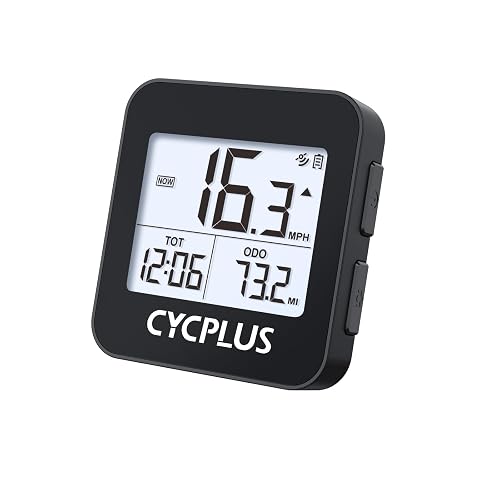 Best budget pickCYCPLUS Wireless GPS Bike Computer G1, 70g, 2.0" ScreenView on Amazon
- 6
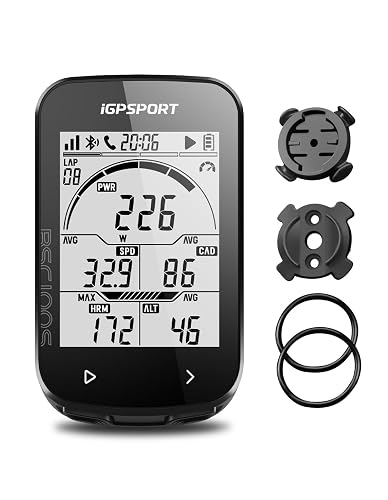 Best for long battery lifeiGPSPORT BSC100S GPS Bike Computer Wireless, 2.6'' LCD DisplayView on Amazon
- 7
 Best for open routingHammerhead Karoo GPS Cycling Computer with Touchscreen & ANT+/BLEView on Amazon
Our Top Picks
Quick Comparison
| Product | Best for | Key feature |
|---|---|---|
| iGPSPORT BSC500 GPS Bike Computer | Overall bikepacking navigation | 3.3-inch touchscreen with map and voice navigation |
| Garmin Edge 850 | Training data with compact body | Vivid color touchscreen and built-in speaker |
| Wahoo ELEMNT BOLT V3 Aero | Premium turn-by-turn routing | 2.3-inch color screen with dual-band GPS |
| Garmin Edge 1050 | Large screen and advanced metrics | Large touchscreen with road hazard alerts |
| CYCPLUS G1 Wireless GPS Bike Computer | Budget-minded riders | Pocket-size with long working time |
| iGPSPORT BSC100S GPS Bike Computer | Multi-day battery endurance | Rechargeable waterproof unit with about 40-hour battery |
| Hammerhead Karoo GPS Cycling Computer | Open-platform routing | Touchscreen with ANT+ and BLE connectivity |
iGPSPORT BSC500 GPS Bike Computer, 3.3” Touch Screen MAP Voice Navigation
iGPSPORT BSC500 GPS Bike Computer, 3.3'' Touch Screen MAP Voice Navigation
Best for: Overall bikepacking navigation with a large map on the handlebar
This suits riders who want a map-first display and spoken directions so they can keep their eyes on the road. The larger screen is useful when you are following a loaded route through unfamiliar towns.
Key specs
- 3.3-inch touchscreen
- Map display with voice navigation
Pros
- Large screen makes map reading easier at a glance
- Voice prompts reduce how often you need to look down
- Touch interface suits a route-following workflow
Cons
- Larger body takes up more handlebar space
- Touchscreen use with gloves may require practice
Bottom line: A strong first choice for riders who put navigation ahead of everything else on a multi-day route.
Garmin Edge® 850, Compact GPS Cycling Computer
GarminVivid Color Display, Touchscreen, Advanced Training & Performance Insights, Built-In Speaker Edge® 850, Compact GPS Cycling Computer
Best for: Training data with a compact body
This fits riders who track performance metrics and want a smaller unit that still offers a color touchscreen and training features.
Key specs
- Vivid color touchscreen
- Built-in speaker
Pros
- Compact size keeps the handlebar uncluttered
- Strong training and performance insights
- Built-in speaker for audible prompts
Cons
- Advanced features may exceed what a casual tourer needs
- Smaller screen than the 1050 for map reading
Bottom line: A good match for riders who want Garmin’s training ecosystem in a compact unit.
Wahoo ELEMNT BOLT V3 Aero GPS Bike Computer with Navigation
wahooCycling Computer • 2.3in Color Screen • Turn-by-Turn Navigation • DualBand GPS • 20hr Battery • ANT+, Bluetooth, Wi-Fi • IPX7 ELEMNT BOLT V3 Aero GPS Bike Computer with Navigation
Best for: Premium turn-by-turn routing
This suits riders who load detailed routes and want precise turn cues on a compact, weather-sealed unit.
Key specs
- 2.3-inch color screen
- Turn-by-turn navigation
- Dual-band GPS
- IPX7 water resistance rating
Pros
- Dual-band GPS can help in difficult signal environments
- Clear turn-by-turn prompts
- Rated for strong water resistance
Cons
- Smaller screen than larger touch units
- Battery life varies with navigation and sensor use
Bottom line: Best for riders who prioritize routing accuracy and sealing in a small footprint.
Garmin Edge® 1050, Premium Cycling Computer
GarminLarge & Vivid Touchscreen, Advanced Cycling Metrics, Built-In Speaker, Garmin Coach, Groupride, Road Hazard Alerts Edge® 1050, Premium Cycling Computer
Best for: Large screen and advanced metrics
This suits riders who want the biggest display in the lineup for maps and data fields, and who will mount the unit on a stable bar.
Key specs
- Large touchscreen
- Built-in speaker
- Road hazard alerts
Pros
- Large screen is easy to read in bright conditions
- Rich mapping and data fields
- Hazard alerts add an extra layer of awareness
Cons
- Larger size and weight than compact units
- Higher complexity may slow setup for new users
Bottom line: Suited to riders who value screen size above compactness and will mount it securely.
CYCPLUS Wireless GPS Bike Computer G1, 70g, 2.0″ Screen
Pocket-Size, Bicycle Speedometer Odometer with Automatic Backlight, >55h Working Time, Provide Professional Data Analysis CYCPLUS Wireless GPS Bike Computer G1, 70g, 2.0" Screen, IPX6, 1200mAh
Best for: Budget-minded riders
This fits riders who want basic speed, distance and tracking without investing in a premium head unit, and who value a very light build.
Key specs
- 2.0-inch screen
- Weighs about 70 grams
- IPX6 water resistance rating
- 1200mAh battery
Pros
- Very light and pocket-sized
- Long working time for basic tracking
- Simple interface
Cons
- Small screen limits map use
- Fewer navigation features than premium units
Bottom line: A sensible budget pick if you mainly need speed, distance and basic data.
iGPSPORT BSC100S GPS Bike Computer Wireless, 2.6” LCD Display
iGPSPORT BSC100S GPS Bike Computer Wireless, 2.6'' LCD Display 40H Rechargeable Waterproof Cycling Computer Bluetooth ANT+
Best for: Multi-day battery endurance
This suits riders on extended trips where recharging opportunities are limited and the unit runs for long stretches between charges.
Key specs
- 2.6-inch LCD display
- Rechargeable with listed battery life of about 40 hours
- Waterproof body
- Bluetooth and ANT+ connectivity
Pros
- Long listed battery life suits multi-day use
- Waterproof construction for wet weather
- Works with common sensors
Cons
- Non-touch display requires button navigation
- Limited map capability compared with touchscreen units
Bottom line: A practical choice when battery endurance outranks map features.
Hammerhead Karoo GPS Cycling Computer with Touchscreen & ANT+/BLE
Hammerhead Karoo GPS Cycling Computer with Touchscreen & ANT+/BLE Connectivity Hammerhead Karoo Wireless GPS Bike Computer ANT+/BLE/GPS/GNSS Touchscreen
Best for: Open-platform routing
This fits riders who want to load custom routes and use a touchscreen device that connects to a wide range of sensors.
Key specs
- Touchscreen
- ANT+ and BLE connectivity
- GPS and GNSS support
Pros
- Broad sensor compatibility
- Flexible route loading
- Touchscreen interface for quick input
Cons
- Setup can take longer than plug-and-play units
- Battery use depends heavily on screen brightness and features
Bottom line: Good for riders comfortable configuring a device to fit their own routing workflow.
Buying Guide
Turn-by-turn navigation and route loading
For bikepacking, the most important feature is reliable route following on routes you built yourself, often off-network. Check whether the unit accepts GPX or FIT files, how it handles recalculation after a missed turn, and whether it offers breadcrumb trails. Voice prompts help when you cannot look at the screen.
Good picks for this: iGPSPORT BSC500 GPS Bike Computer, Wahoo ELEMNT BOLT V3 Aero GPS Bike Computer
Battery life in GPS mode
Manufacturers often list battery life for basic tracking, which is far longer than navigation with the screen on. Plan for shorter real-world runtimes when you use maps and bright screens. Carry a power bank and a cable that matches the unit’s charging port.
Good picks for this: iGPSPORT BSC100S GPS Bike Computer, CYCPLUS Wireless GPS Bike Computer G1
Screen size and readability
A larger screen makes maps easier to read, but it adds bulk. Consider how the display looks in direct sun and whether it works well with gloves. Touchscreens offer faster input, while button units often hold up better when wet.
Good picks for this: Garmin Edge® 1050, Garmin Edge® 850
Weather sealing and durability
Check the stated water resistance rating and whether the rating applies to submersion or splashing. Bikepacking exposes electronics to rain, road spray and dust. Look for solid mounting hardware that will not loosen on rough tracks.
Good picks for this: Wahoo ELEMNT BOLT V3 Aero GPS Bike Computer, iGPSPORT BSC100S GPS Bike Computer
Size, weight and fit
Measure your handlebar space and consider how the unit sits alongside a bar bag, light and cockpit bag. Compact units leave room for other gear, while larger screens need a stable, secure position.
Good picks for this: CYCPLUS Wireless GPS Bike Computer G1, Garmin Edge® 850
Sensor compatibility
Confirm the unit supports ANT+ or Bluetooth for any heart-rate strap, cadence sensor or power meter you already own. Open platforms can make it easier to combine accessories from different brands.
Good picks for this: Hammerhead Karoo GPS Cycling Computer, iGPSPORT BSC100S GPS Bike Computer
Care and maintenance
Keep the charging port sealed and clean, and wipe off grit before opening it. Update firmware when the manufacturer releases it, and back up saved routes. Store the unit out of direct heat when not in use.
Good picks for this: Garmin Edge® 1050, iGPSPORT BSC500 GPS Bike Computer
FAQ
What is the most important feature in the best cycling computer for bikepacking?
Reliable navigation with the ability to load your own routes is usually the top priority, followed by battery life in GPS mode and weather sealing.
Do I need a touchscreen?
Not always. Touchscreens make route setup and map zooming faster, but button-based units can be easier to operate with wet or gloved hands.
How long does a cycling computer battery last on a tour?
Listed battery life usually reflects basic tracking. Navigation, bright screens and connected sensors shorten runtime. Plan to carry a power bank for multi-day trips.
Is a cycling computer better than a phone for navigation?
A dedicated unit typically offers better weather sealing, mounting and battery endurance than a phone. Phones can still work as a backup with an offline map app.
Do I need ANT+ or Bluetooth sensors?
Check which protocol your heart-rate strap or cadence sensor uses. Many units support both, but confirm before buying.
Can I use these units on gravel and unpaved routes?
Yes, provided the mount is secure and the unit is sealed for dust and rough terrain. Route accuracy on unpaved sections depends on GPS signal quality and map data.
Conclusion
For most bikepacking trips, the iGPSPORT BSC500 suits riders who want a large map and voice navigation. The Wahoo ELEMNT BOLT V3 Aero fits those who prioritize routing precision in a small, sealed body. Riders focused on training data may prefer the Garmin Edge 850, while the Garmin Edge 1050 suits anyone who wants the largest screen. The CYCPLUS G1 works for budget-minded tourers, the iGPSPORT BSC100S for long battery endurance, and the Hammerhead Karoo for those who want an open platform. Match the unit to your route style, battery needs and handlebar space.
Sources
- Guidance on trip planning, navigation and carrying maps in remote backcountry areas (nps.gov)
- Information on topographic maps, GPS data and elevation datasets for route planning (usgs.gov)
- Background on GPS timing standards and how satellite positioning works (nist.gov)
Related reading
- Top 6 Aero Bars for Bikepacking: Compared for Touring and Gravel
- Revelate Designs Bikepacking Bags: 5 Best Picks Compared (2026)
- Ortlieb Gravel Pack Bikepacking Panniers: 5 Best Picks Compared (2026)
- Kurt Refsnider Bikepacking Orogenesis Route: 6 Best Books and Atlases Compared
- Great Northern Bikepacking Route: A Route Guide With Distances and Stops
About Colin Foster
Colin Foster is part of our editorial team and reviews and edits our bike touring & bikepacking guides, checking product details against manufacturer specifications and owner feedback.