By Claire Whitaker
Updated November 2026
Shopping for miss grape bikepacking bags can feel confusing, because the category covers saddle bags, frame bags, handlebar rolls and small dry bags, each built for a different part of the bike. This guide narrows the field to six options spread across that range. The selection criteria were fit and mounting method, usable capacity, weather protection, and the patterns owners tend to mention in their feedback. Nothing here comes from our own riding tests; the notes below rely on listing specifications, brand reputation and common owner comments.
Our top picks at a glance
- 1
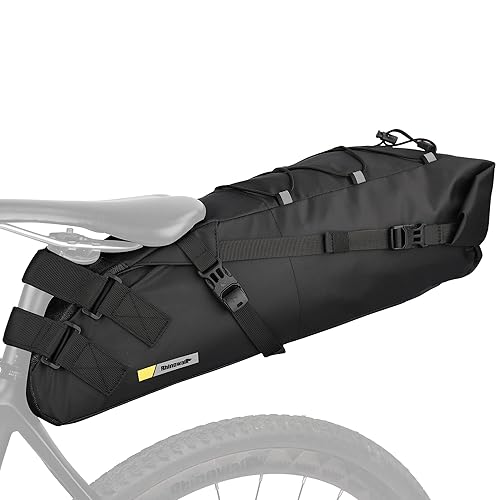 TOP CHOICEBest overallRhinowalk Waterproof Bike Saddle Bag 13LView on Amazon
- 2
 TOP CHOICEBest for dry storageBig Agnes Bikepack Dry Bag, Asphalt, 10LView on Amazon
- 3
 TOP CHOICEBest for frame spaceTouring Road Bike Full Frame BagView on Amazon
- 4
 Best for simple mountingTopeak BackLoader Bike BagView on Amazon
- 5
 Best for extra saddle volumeWaterproof Bike Saddle Bag Large Capacity 15LView on Amazon
- 6
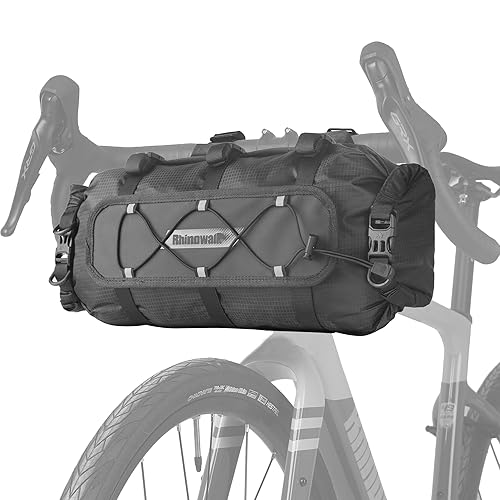 Best handlebar optionRhinowalk Bicycle Handlebar BagView on Amazon
Our Top Picks
| Product | Best for | Key feature |
|---|---|---|
| Rhinowalk Waterproof Bike Saddle Bag 13L | Mountain and road trips with a mid-size load | Under-seat mount with a 13-liter body |
| Big Agnes Bikepack Dry Bag, 10L | Keeping sleep gear and electronics dry | Welded seams with roll-top closure |
| Touring Road Bike Full Frame Bag | Filling the open triangle of the frame | Three size options from 6.5L to 14L |
| Topeak BackLoader Bike Bag | Riders who want a simple, low-fuss rear setup | Straightforward strap-based mounting |
| Waterproof Bike Saddle Bag 15L | Riders carrying bulkier items behind the saddle | 15-liter capacity in a saddle-style bag |
| Rhinowalk Bicycle Handlebar Bag | Quick-access items on the front of the bike | Both sides open, with a waterproof inner pocket |
Rhinowalk Waterproof Bike Saddle Bag 13L
Rhinowalk Waterproof Bike Saddle Bag 13L – Under Seat Storage for Mountain Road Biking and Commuting Trips
Best for: Mid-size saddle storage on mountain and road trips
This bag suits riders who want a single rear bag holding a sleeping bag, a rain shell and a few days of food without adding a rack. It works well for shorter overnight loops and commuting trips where the saddle position matters more than maximum volume.
Key specs
- Capacity: 13 liters
- Mounting: under-seat storage
- Designed for mountain and road use
Pros
- Keeps the rear of the bike uncluttered compared with a rack
- Waterproof construction suits variable weather
- Capacity fits a lightweight multi-day kit
Cons
- Volume is limited for riders carrying bulky camp kitchens
- Saddle bags shift a little on rough terrain if not packed firmly
Bottom line: A sensible first saddle bag for riders who want waterproofing and a moderate load without a rack.
Big Agnes Bikepack Dry Bag, Asphalt, 10L
Big AgnesSubmersible welded construction with roll-top closure and hitch straps keeps gear dry on bikepacking adventures Bikepack Dry Bag, Asphalt, 10L
Best for: Dry storage for sleep gear and electronics
This roll-top dry bag is aimed at riders who want one protected compartment for items that cannot get wet, such as a sleeping bag or a phone and camera. Its welded construction reflects the way many dry bags are designed for wet-weather use.
Key specs
- Capacity: 10 liters
- Closure: roll-top
- Construction: welded seams, submersible rating as described by the brand
- Includes hitch straps for mounting
Pros
- Welded seams are a strong waterproofing feature
- Roll-top closure lets you adjust volume
- Works as an internal liner inside other bags
Cons
- 10 liters is modest for a full overnight kit
- Roll-top bags need careful rolling each time to stay sealed
Bottom line: Ideal as a dedicated dry compartment for sleep gear or electronics, not as your only bag.
Touring Road Bike Full Frame Bag
Touring Road Bike Full Frame Bag | Bicycle Bikepacking, Touring, Commuting Pack | Small (6.5L), Medium (12L), Large (14L)
Best for: Using the open space inside the frame triangle
A full frame bag suits riders with a frame large enough to fit one, who want to move weight low and central. Because it comes in three sizes, the choice can be matched to frame dimensions and load.
Key specs
- Size options: Small (6.5L), Medium (12L), Large (14L)
- Intended for bikepacking, touring and commuting
Pros
- Three sizes make it easier to match a frame
- Central mounting keeps weight low
- Leaves rack mounts and bottle cages free
Cons
- Fit depends heavily on frame geometry, so measure first
- Can rub the frame or water bottle if overpacked
Bottom line: The right choice for riders who measure their frame carefully and want the most usable low-center storage.
Topeak BackLoader Bike Bag
Topeak BackLoader Bike Bag
Best for: A simple rear setup with minimal fuss
Topeak is a long-established accessory brand, and this rear bag is built for riders who want a no-frills rear load that works with common bike setups. It suits people new to bikepacking who want to learn packing before buying more specialized bags.
Key specs
- Rear-mounted bag design
- Strap-based mounting
Pros
- Straightforward mounting for beginners
- Brand has a long track record in cycling accessories
- Easy to remove for trips where you travel light
Cons
- Fewer details are widely documented than with larger-volume competitors
- Strap systems can loosen on rough surfaces and need periodic checks
Bottom line: A practical choice for beginners who want a basic rear bag from a well-known accessory maker.
Waterproof Bike Saddle Bag Large Capacity 15L
Waterproof Bike Saddle Bag Large Capacity 15L Bikepacking Bicycle Seat Bag for Road Mountain
Best for: Extra saddle-bag volume for bulkier loads
This bag offers somewhat more room than the 13-liter option above, which can matter when carrying a larger tent or a warmer sleeping bag. It is suited to riders who prioritize volume behind the saddle.
Key specs
- Capacity: 15 liters
- Saddle-mounted design for road and mountain bikes
- Listed as waterproof
Pros
- Extra capacity over smaller saddle bags
- Waterproof listing suits wet-weather riding
- Keeps the front of the bike clear
Cons
- Larger bags can sway if not packed evenly
- Owners may find it harder to fit on very short seatposts
Bottom line: Best for riders who need more saddle-bag volume and have the seatpost clearance for it.
Rhinowalk Bicycle Handlebar Bag
Rhinowalk Bicycle Handlebar Bag, both sides open and folded closed, with waterproof inner pocket, suitable for road bike, mountain bike, etc.
Best for: Front-of-bike storage for items you reach often
A handlebar bag keeps snacks, maps, a phone and a rain layer within reach. This Rhinowalk model is described with open sides and a waterproof inner pocket, which suits riders who stop often and want quick access.
Key specs
- Open on both sides, folds closed
- Waterproof inner pocket
- Suited to road and mountain bikes
Pros
- Easy access to frequently used items
- Inner waterproof pocket protects electronics
- Works across several bike types
Cons
- Front weight can affect steering feel if overloaded
- Needs a compatible handlebar setup for a secure fit
Bottom line: A good pick for riders who want quick-reach storage and a protected pocket for electronics.
Buying Guide
Bag type and where it mounts
Saddle bags sit behind the seat, frame bags fill the triangle, handlebar bags sit on the front, and dry bags can go in any of these locations. Choose the location first, then the bag. Riders with a rack often prefer rear panniers, while those without one usually start with saddle or frame storage.
Good picks for this: Rhinowalk Waterproof Bike Saddle Bag 13L, Rhinowalk Bicycle Handlebar Bag
Capacity and what you need to carry
List your gear and estimate its volume before buying. A typical weekend load may fit a 10 to 15 liter saddle bag, while a multi-day trip with cooking gear usually needs more total space spread across several bags. Overpacking a single bag makes it sway, so split loads where possible.
Good picks for this: Waterproof Bike Saddle Bag 15L, Big Agnes Bikepack Dry Bag, 10L
Frame fit and clearance
Frame bags depend on the triangle size, the water bottle position and the fork clearance. Measure the top tube, down tube and seat tube length, and confirm that the bag will not rub the pedals or the front derailleur. Sizing charts from the bag maker are worth checking against your own frame.
Good picks for this: Touring Road Bike Full Frame Bag, Topeak BackLoader Bike Bag
Waterproofing
Look for welded seams, roll-top closures or a waterproof inner liner. Note that a bag labeled water-resistant is not the same as one built to stay dry in a downpour. Many riders add a liner inside a bag that is not fully sealed, especially for sleeping gear.
Good picks for this: Big Agnes Bikepack Dry Bag, 10L, Rhinowalk Bicycle Handlebar Bag
Mounting security and stability
Strap systems, hitch straps and seat-post clamps all have different strengths. Bags that sway at speed or on gravel usually need firmer packing and a tighter mount. Check the mount after the first few kilometers and again after bumpy sections.
Good picks for this: Topeak BackLoader Bike Bag, Waterproof Bike Saddle Bag 15L
Durability and materials
Nylon and polyester fabrics vary in abrasion resistance, and the stitching and zipper quality matter as much as the fabric. Owners commonly report that straps and buckles wear first, so check them before a long tour. Care for the bag by drying it fully after wet rides and avoiding prolonged direct sun on the fabric.
Good picks for this: Rhinowalk Waterproof Bike Saddle Bag 13L, Big Agnes Bikepack Dry Bag, 10L
Setup and packing for your bike
Pack heavy items low and centered, keep the handlebar load light enough to steer confidently, and leave room for brakes and cables. A good packing order makes a larger difference than the brand of bag. For more on load placement, see our Where to Put Tent Bikepacking Gear: Frame Bag vs Handlebar Bag (2026) article.
Good picks for this: Touring Road Bike Full Frame Bag, Rhinowalk Bicycle Handlebar Bag
FAQ
What are miss grape bikepacking bags used for?
They carry camping gear, clothing, food and electronics on a bicycle, mounted to the frame, seat post, handlebars or fork, so you can ride with a full load without a rear rack.
Which bag should I buy first?
Most riders start with a saddle bag or a dry bag, because they are versatile and do not require frame measurements. Add a frame or handlebar bag once you know how much space you need.
Are bikepacking bags fully waterproof?
Some are, particularly those with welded seams and roll-top closures, but many are only water-resistant. Check the manufacturer’s stated rating and consider an internal dry bag for items that must stay dry.
How do I know if a frame bag will fit my bike?
Measure the frame triangle and compare it to the bag manufacturer’s sizing chart. Confirm clearance from the pedals, the water bottle cage and the front derailleur before you buy.
How much can a saddle bag hold?
Capacity ranges from about 10 to 15 liters for the bags in this list. A bag that size typically holds a sleeping bag, clothing and a few food items for a short trip.
Do bikepacking bags affect handling?
Yes. Heavy loads on the handlebars or fork can change steering, while weight placed low and centered usually feels more stable. Test the setup on a quiet road before a long ride.
How should I care for my bags?
Rinse off grit, dry the bag completely before storing it, and check straps and stitching regularly. Consult the manufacturer’s care instructions for materials and cleaning methods.
Conclusion
For most riders, the Rhinowalk Waterproof Bike Saddle Bag 13L is a sensible starting point, with the Big Agnes Bikepack Dry Bag as a protected compartment for sleep gear and electronics. Riders with a suitably sized frame can add a Touring Road Bike Full Frame Bag to use the central triangle, while those wanting more saddle volume should consider the 15-liter option. The Topeak BackLoader suits beginners wanting a simple rear setup, and the Rhinowalk handlebar bag works for quick-access items. Match the bag to your frame, load and weather exposure, and test the packed setup before a longer tour. For related setup ideas, see Bikepacking Seat Bag vs Rack: 5 Best Options Compared (2026) and Bikepacking Top Tube Bag: 7 Best Picks Compared (2026).
Sources
- Consumer product safety guidance that applies to bicycle equipment and accessories (cpsc.gov)
- Backcountry and leave-no-trace guidance useful for planning packed loads on multi-day routes (nps.gov)
- Bicycle safety and equipment guidance for load handling and mounting
Related reading
- Specialized Diverge Bikepacking Setup: Bags, Mounts and Packing Steps
- Shimano Pro Bikepacking Bags: 5 Best Picks Compared (2026)
- Revelate Designs Bikepacking Bags: 5 Best Picks Compared (2026)
About Claire Whitaker
Claire Whitaker is part of our editorial team and reviews and edits our bike touring & bikepacking guides, checking product details against manufacturer specifications and owner feedback.