 By Colin Foster
Updated November 2026
Building a bikepacking bike from scratch is a rewarding project, but it asks for more than enthusiasm. You need to understand frame geometry, drivetrain compatibility, wheel and tire choices, and how a loaded bike will handle on rough roads. The books below cover those topics from different angles, from beginner-friendly illustrated overviews to detailed maintenance and build references. We compared them on scope, clarity of instruction, practical focus on bikepacking rather than road or commuter riding, and how well they suit a reader who may be working with basic tools for the first time.
Our top picks at a glance
- 1
 TOP CHOICEBest overallBasic Illustrated Bike Touring and BikepackingView on Amazon
- 2
 TOP CHOICEBest for first-time visual learnersBikepacking IllustratedView on Amazon
- 3
 TOP CHOICEBest for a complete build walkthroughHow to Build a Bike (in a Weekend)View on Amazon
- 4
 Best for ongoing maintenanceZinn and the Art of Mountain Bike Maintenance, 7th EditionView on Amazon
- 5
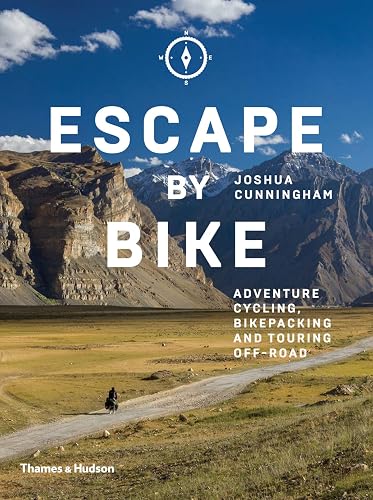 Best for off-road route inspirationEscape by Bike: Adventure Cycling, Bikepacking and Touring Off-RoadView on Amazon
- 6
 Best for planning longer tripsBikepacking: Exploring the Roads Less CycledView on Amazon
Our Top Picks
| Product | Best for | Key feature |
|---|---|---|
| Basic Illustrated Bike Touring and Bikepacking | Overall starting point | Broad coverage of gear, setup and trip planning |
| Bikepacking Illustrated | Visual learners | Diagram-driven explanations of packing and mounting |
| How to Build a Bike (in a Weekend) | Hands-on builders | Step-by-step assembly sequence |
| Zinn and the Art of Mountain Bike Maintenance | Long-term upkeep | Repair and adjustment procedures |
| Escape by Bike | Off-road route ideas | Adventure and route inspiration |
| Bikepacking: Exploring the Roads Less Cycled | Trip planning | Route planning and long-distance context |
Basic Illustrated Bike Touring and Bikepacking
Basic Illustrated Bike Touring and Bikepacking (Basic Illustrated Series)
Best for: A broad, beginner-friendly foundation before you buy parts
This is a good first read for someone who wants to understand the whole system before committing to a frame or component list. It covers the logic of loading a bike, choosing between bag styles, and deciding how far to push a build away from a standard road setup.
Key specs:
- Illustrated format within the Basic Illustrated series
- Covers both bike touring and bikepacking
Pros:
- Clear, visual explanations suited to beginners
- Connects gear choices to real riding conditions
- Useful for planning before you buy anything
Cons:
- Less depth on frame fabrication or advanced welding topics
- Some readers want more specific component recommendations
Bottom line: Pick this if you are starting from zero and want the big picture before spending money on parts.
Bikepacking Illustrated
Bikepacking Illustrated – Getting started with bikepacking
Best for: Visual learners who want to see how bags and loads come together
Readers who learn better from pictures than paragraphs will find this approach easier to follow. It focuses on the getting-started phase of bikepacking, where most first builds go wrong because of poor bag placement and unbalanced loads.
Key specs:
- Illustration-led format for getting-started topics
Pros:
- Strong visuals for mounting and packing layouts
- Short sections that are easy to reference in the workshop
- Practical focus on getting out the door quickly
Cons:
- Lighter on mechanical repair detail
- Less suited to readers who want deep technical reasoning
Bottom line: A strong companion for anyone building a bike who wants clear pictures of how a finished setup should look.
How to Build a Bike (in a Weekend)
How to Build a Bike (in a Weekend)
Best for: Builders who want a sequenced assembly process from frame to finished bike
This suits someone who already owns or has sourced a frame and components and needs a clear order of operations. It is written around the practical question of how parts go together, which matters when you are building a bike to carry gear rather than to ride unloaded.
Key specs:
- Step-by-step assembly structure
Pros:
- Clear sequence that reduces guesswork during assembly
- Covers the mechanical steps that beginners often rush
- Helpful checklists for tools and preparation
Cons:
- Bikepacking-specific mounting points get less attention than general assembly
- A weekend timeline may be optimistic for first-time builders
Bottom line: Choose this if your main challenge is putting the parts together correctly in the right order.
Zinn and the Art of Mountain Bike Maintenance, 7th Edition
Zinn and the Art of Mountain Bike Maintenance, 7th Edition: The World's Best-Selling Guide to Mountain Bike Repair
Best for: Long-term maintenance and adjustment of a bike that will see rough use
A bikepacking bike is loaded, ridden on washboard gravel and mud, and rarely serviced on schedule. This reference is aimed at the mountain bike side of that world, so it is most useful if your build uses suspension forks, hydraulic brakes or a mountain bike drivetrain.
Key specs:
- 7th edition, mountain bike maintenance focus
Pros:
- Detailed repair and adjustment procedures
- Useful reference for brakes, drivetrain and suspension service
- Well-known title in the maintenance category
Cons:
- Mountain bike focus means less direct guidance for drop-bar or gravel builds
- Dense for readers who only want a quick reference
Bottom line: Best for builders who expect to maintain their own bike over many seasons of rough riding.
Escape by Bike: Adventure Cycling, Bikepacking and Touring Off-Road
Escape by Bike: Adventure Cycling, Bikepacking and Touring Off-Road
Best for: Builders who want route ideas that shape their bike choices
Before you decide on tire width or frame geometry, it helps to know what kind of terrain you want to ride. This book is more about inspiration and off-road journeys than assembly, so it works well alongside a technical build guide.
Key specs:
- Covers adventure cycling, bikepacking and off-road touring
Pros:
- Helps define the terrain your build must handle
- Broad scope across different trip types
- Visually engaging for planning
Cons:
- Not a technical build manual
- Route focus may feel less practical for a first-time mechanic
Bottom line: Pick this to match your build to the kind of off-road trips you actually want to take.
Bikepacking: Exploring the Roads Less Cycled
Bikepacking: Exploring the Roads Less Cycled
Best for: Planning longer trips that will determine the bike you need
A bikepacking build should follow the trip, not the other way around. This title is oriented toward exploring less-traveled roads, which helps you estimate load weight, gearing needs and the amount of climbing your bike must handle.
Key specs:
- Focus on exploring less-traveled roads by bike
Pros:
- Useful for estimating gearing and load requirements
- Encourages planning before buying parts
- Inspiring route-oriented content
Cons:
- Limited direct help with assembly or repair
- Best read alongside a technical guide
Bottom line: A good choice for riders who plan the trip first and want the bike built to match it.
Buying Guide
Choosing a reference for building a bikepacking bike is partly about the book’s scope and partly about your own skill level and goals. The factors below help you decide.
Scope: build, maintenance or planning
Some titles cover assembly, others focus on repair, and others concentrate on trip planning. Decide which phase of the project you need the most help with before buying.
Good picks for this: How to Build a Bike (in a Weekend), Bikepacking: Exploring the Roads Less Cycled
Beginner-friendliness and visual layout
If you learn best from diagrams, look for illustrated formats with clear captions and short sections. Dense text can be harder to use in a workshop with greasy hands and a half-assembled frame.
Good picks for this: Basic Illustrated Bike Touring and Bikepacking, Bikepacking Illustrated
Bike type relevance
Check whether the book focuses on mountain, gravel, road or touring bikes. A mountain-bike maintenance guide will not cover drop-bar cable routing in the same depth, and vice versa.
Good picks for this: Zinn and the Art of Mountain Bike Maintenance, Escape by Bike
Off-road and terrain focus
The terrain you plan to ride should influence tire clearance, suspension and gearing. A book that discusses rough trails and gravel roads will help you match your build to real conditions.
Good picks for this: Escape by Bike, Bikepacking: Exploring the Roads Less Cycled
Mounting and load-carrying details
Bikepacking depends on frame bags, seat packs and handlebar bags that attach to the frame in specific ways. Look for practical discussion of mounting points, strap placement and load balance.
Good picks for this: Bikepacking Illustrated, Basic Illustrated Bike Touring and Bikepacking
Long-term durability of the information
Component standards such as axle sizes, brake types and drivetrain formats change over time. Check the edition year and whether the content reflects current standards, especially for thru-axles and tubeless setups.
Good picks for this: Zinn and the Art of Mountain Bike Maintenance, How to Build a Bike (in a Weekend)
Maintenance and care routines
A loaded bikepacking bike needs regular checks on bolts, cables, bearings and rims. A maintenance reference with clear procedures can extend the life of your build.
Good picks for this: Zinn and the Art of Mountain Bike Maintenance, How to Build a Bike (in a Weekend)
FAQ
Do I need prior mechanical experience to build a bikepacking bike?
Basic mechanical comfort helps, but many builders learn as they go. Start with an illustrated or step-by-step guide and take on simpler tasks first, such as installing a seatpost or setting brake pad position, before tackling wheel building or frame tubing work.
Should I build a mountain bike or a gravel bike for bikepacking?
The answer depends on terrain. Mountain bikes handle rough singletrack and steep descents well, while gravel bikes are often better for long days on mixed surfaces. Use the routes you plan to ride as your guide.
How important is frame geometry for a loaded bike?
Geometry affects handling and stability when carrying weight. A longer wheelbase usually feels steadier with loaded bags, while a steep head angle can feel twitchy. Read the geometry sections in a build guide before choosing a frame.
Can I use a road bike for bikepacking?
Yes, though tire clearance and mounting points are usually more limited. Road builds work best on smoother surfaces and benefit from careful bag placement. See the related articles on this site for setup considerations.
What maintenance should a bikepacking bike get before a trip?
Check tire pressure and condition, brake pad wear, chain and cassette wear, cable tension and all bolts that hold racks, bags and bottle cages. A pre-trip check reduces the chance of failure far from a shop.
Is a book enough, or should I take a bike-building class?
Books are a strong starting point, but a local bike co-op or shop class can help with hands-on skills such as truing wheels and setting headset preload. Combining both approaches usually works well.
Conclusion
For most readers starting out, the Basic Illustrated title provides a broad foundation, while Bikepacking Illustrated suits visual learners who want to see load layouts. How to Build a Bike (in a Weekend) is the most direct choice for assembly sequencing, and Zinn and the Art of Mountain Bike Maintenance serves builders who plan to service their bikes for years. Escape by Bike and Bikepacking: Exploring the Roads Less Cycled are best read early, when you are deciding what terrain and trip length your build should handle. Matching the book to your current stage will make the project far more manageable.
For more context on the bike types and setups these books cover, see Types of Bike Touring: Credit Card to Bikepacking, Gravel Bikes for Bikepacking: 6 Key Features to Look For (2026), and Mountain Bike Bikepacking Setup: A Step-by-Step Guide for 2026. Planning your trip length and route can also shape your build, so Bike Touring vs Bikepacking (2026): Which Is Better for Your Next Trip? is a useful next read.
Sources
- Guidance on planning trips on public lands, including road and trail conditions (nps.gov)
- Consumer safety information on bicycle equipment and recalls (cpsc.gov)
- Resources on bicycle mechanics, safety and riding education
Related reading
- Great Divide Mountain Bike Route Bikepacking: A Practical Guide (2026)
- Fat Bike for Bikepacking: 6 Best Picks for Rough Trails in 2026
- Entry Level Bikepacking Bike: 7 Best Picks for Beginners (2026)
About Colin Foster
Colin Foster is part of our editorial team and reviews and edits our bike touring & bikepacking guides, checking product details against manufacturer specifications and owner feedback.